Introduction
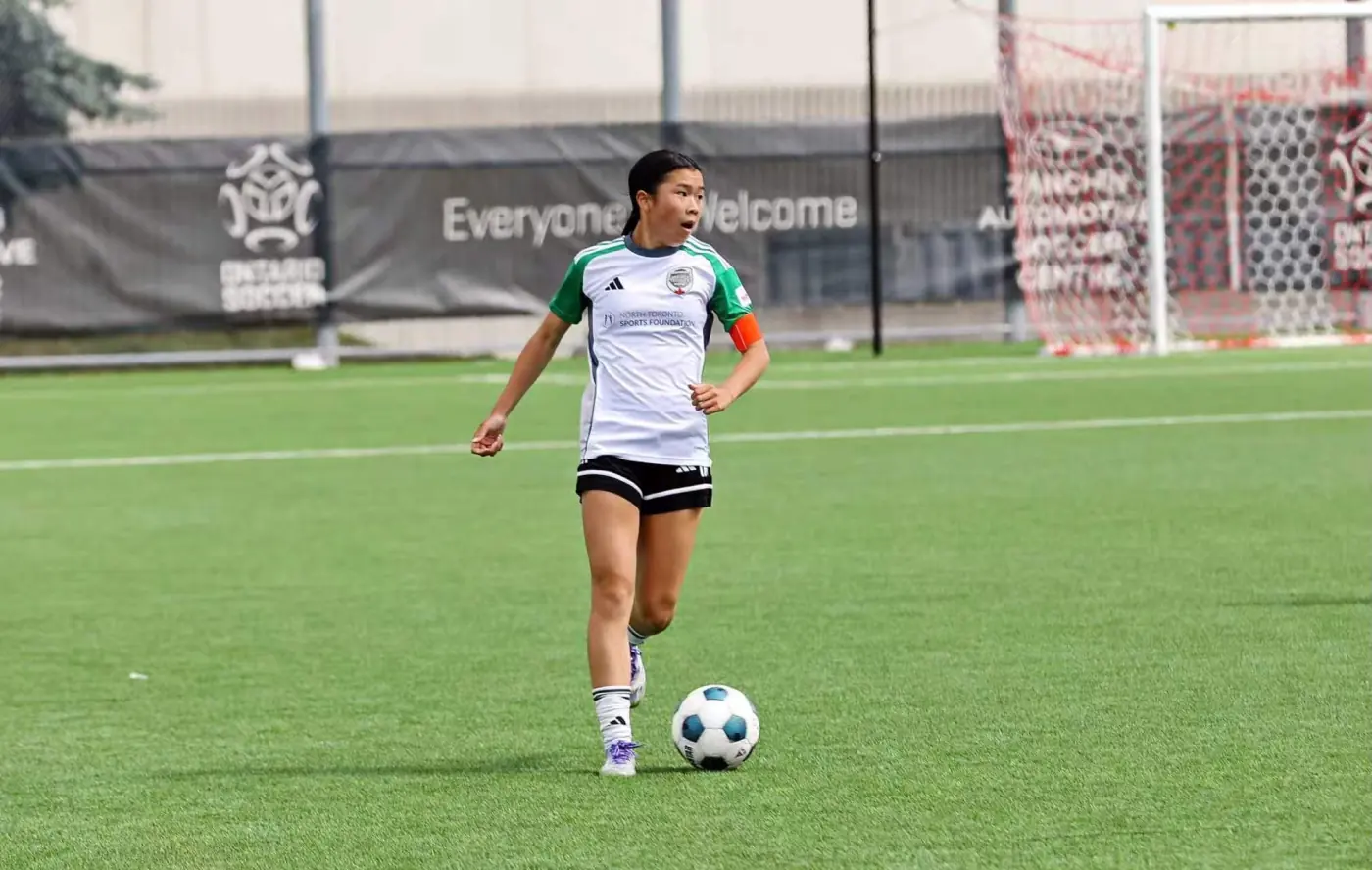
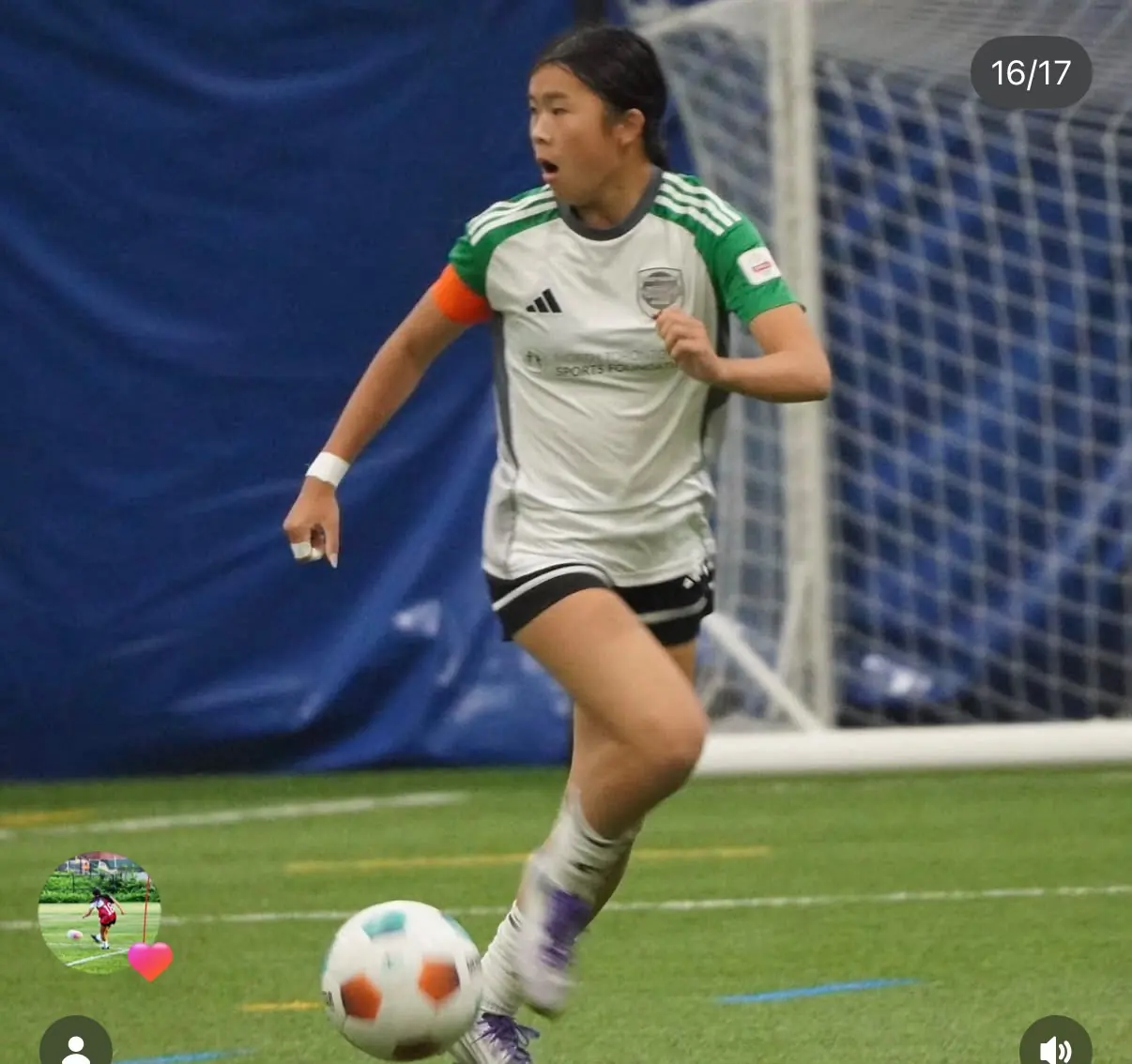
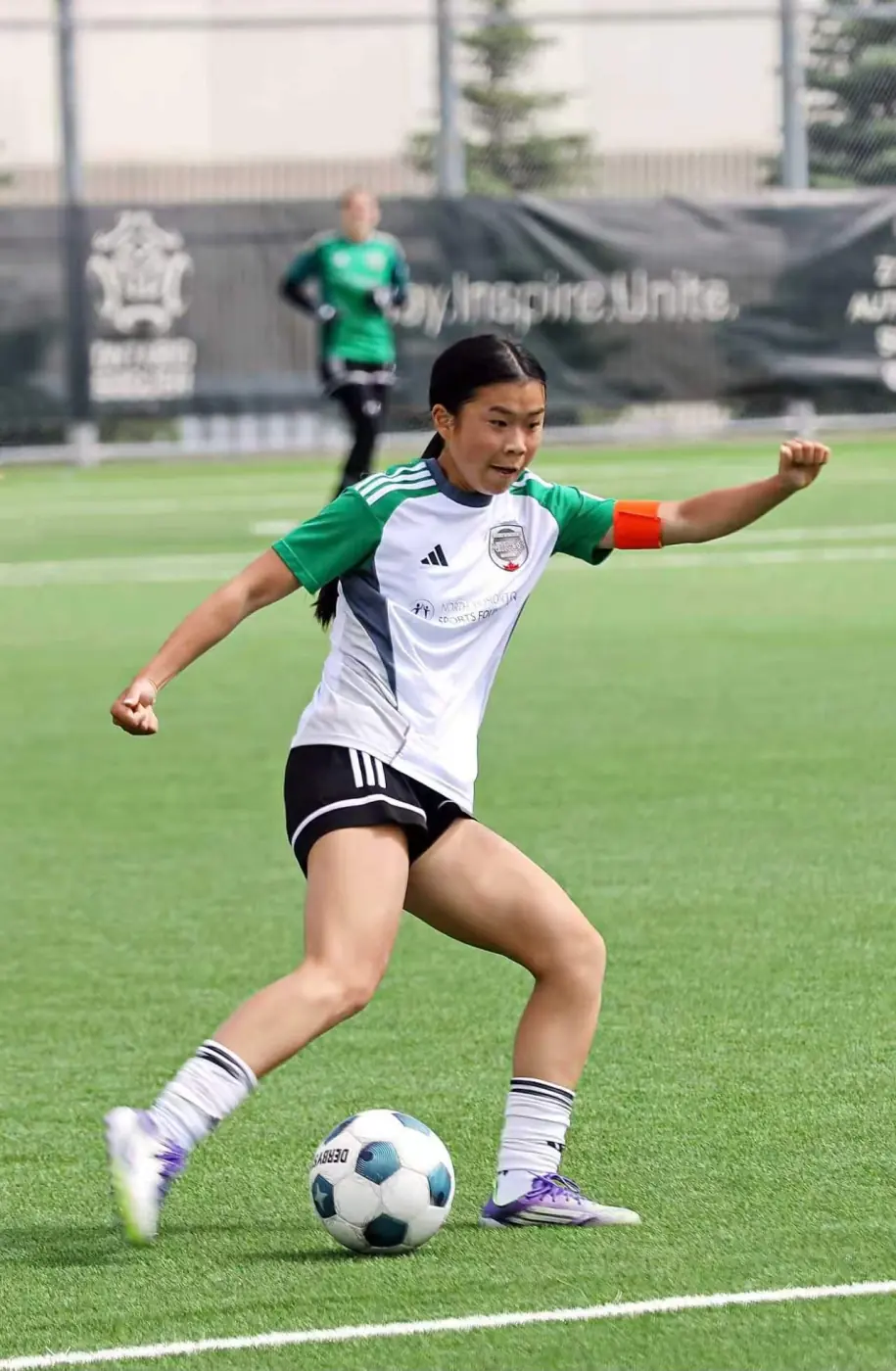
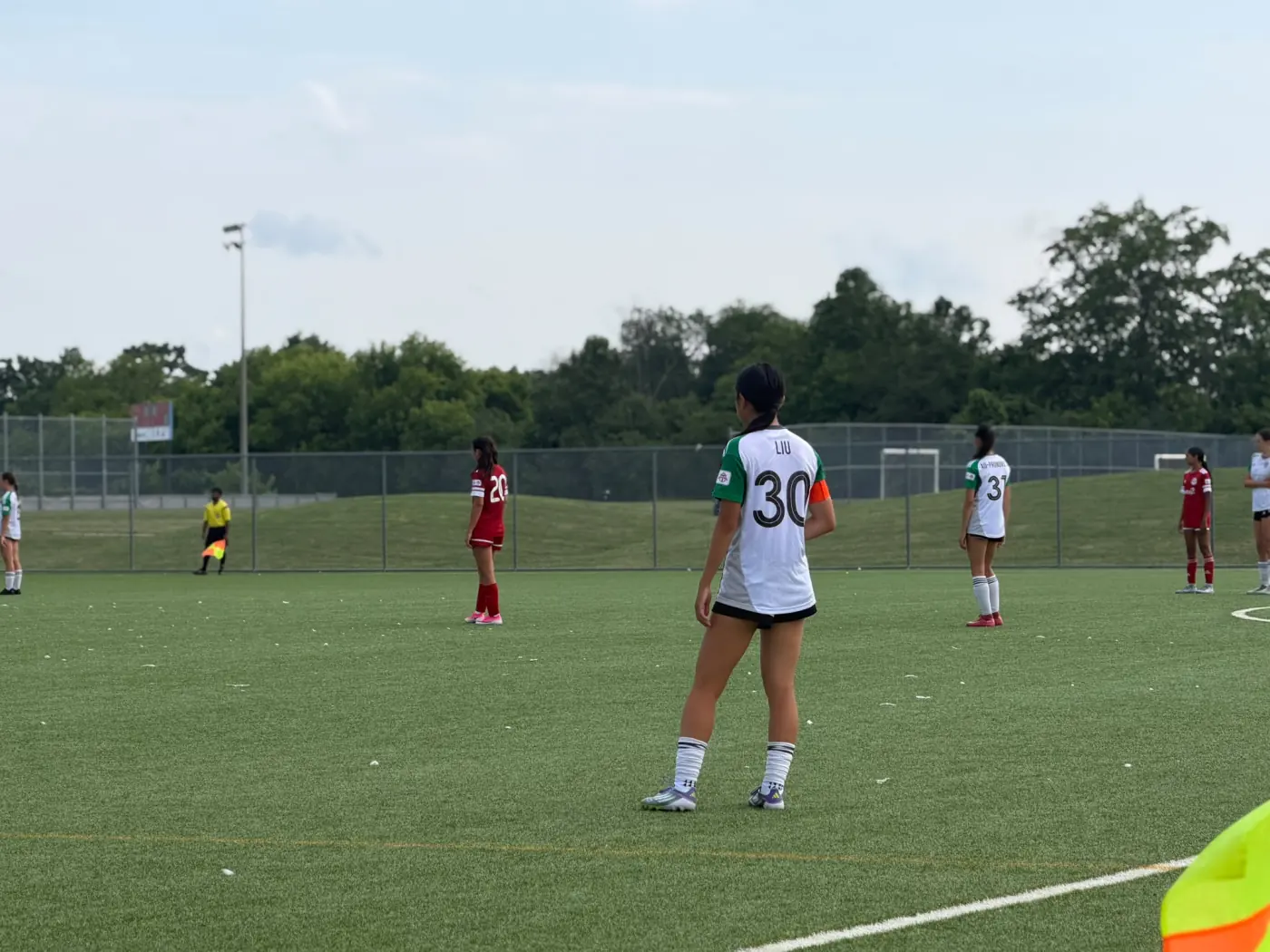
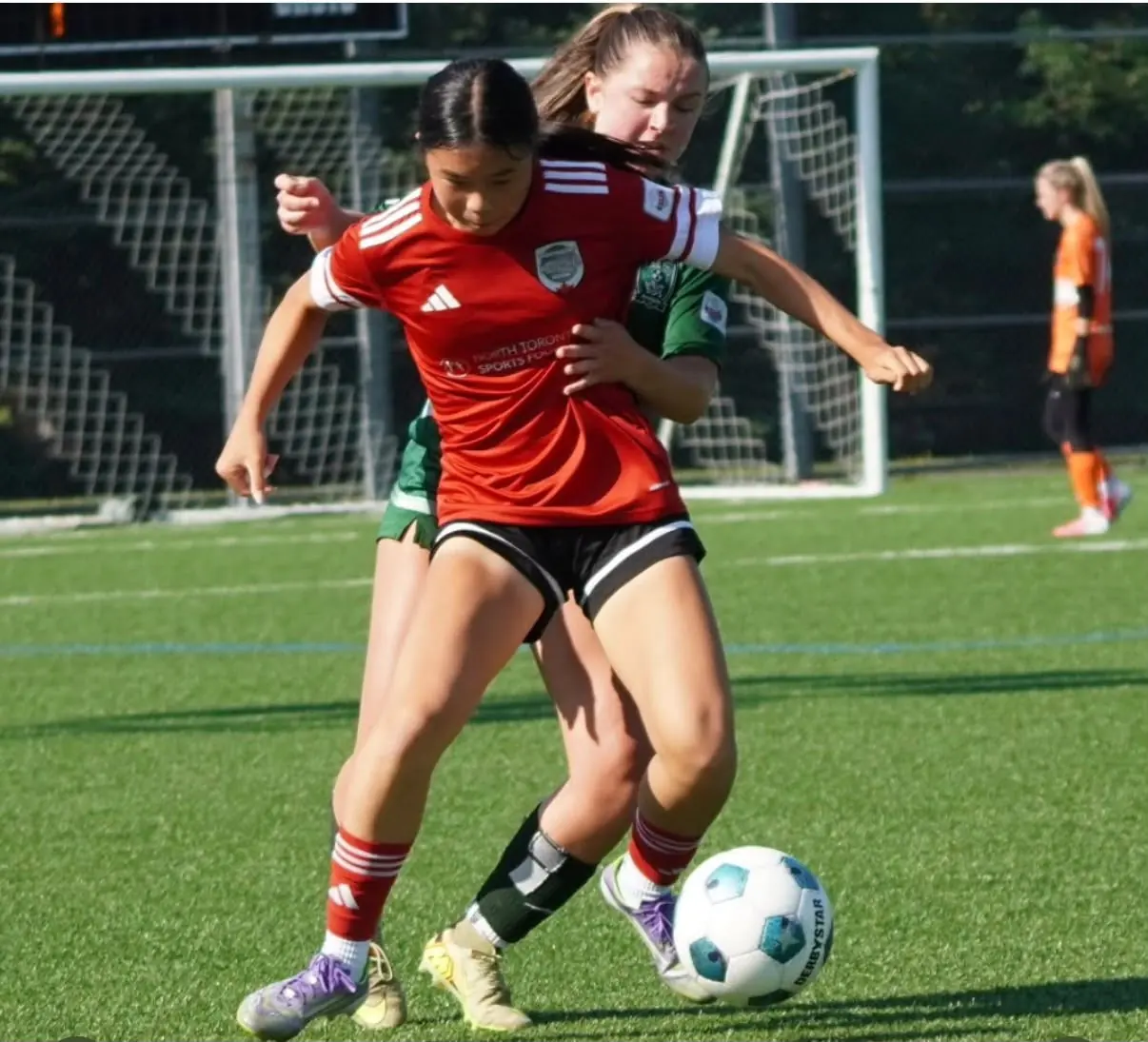
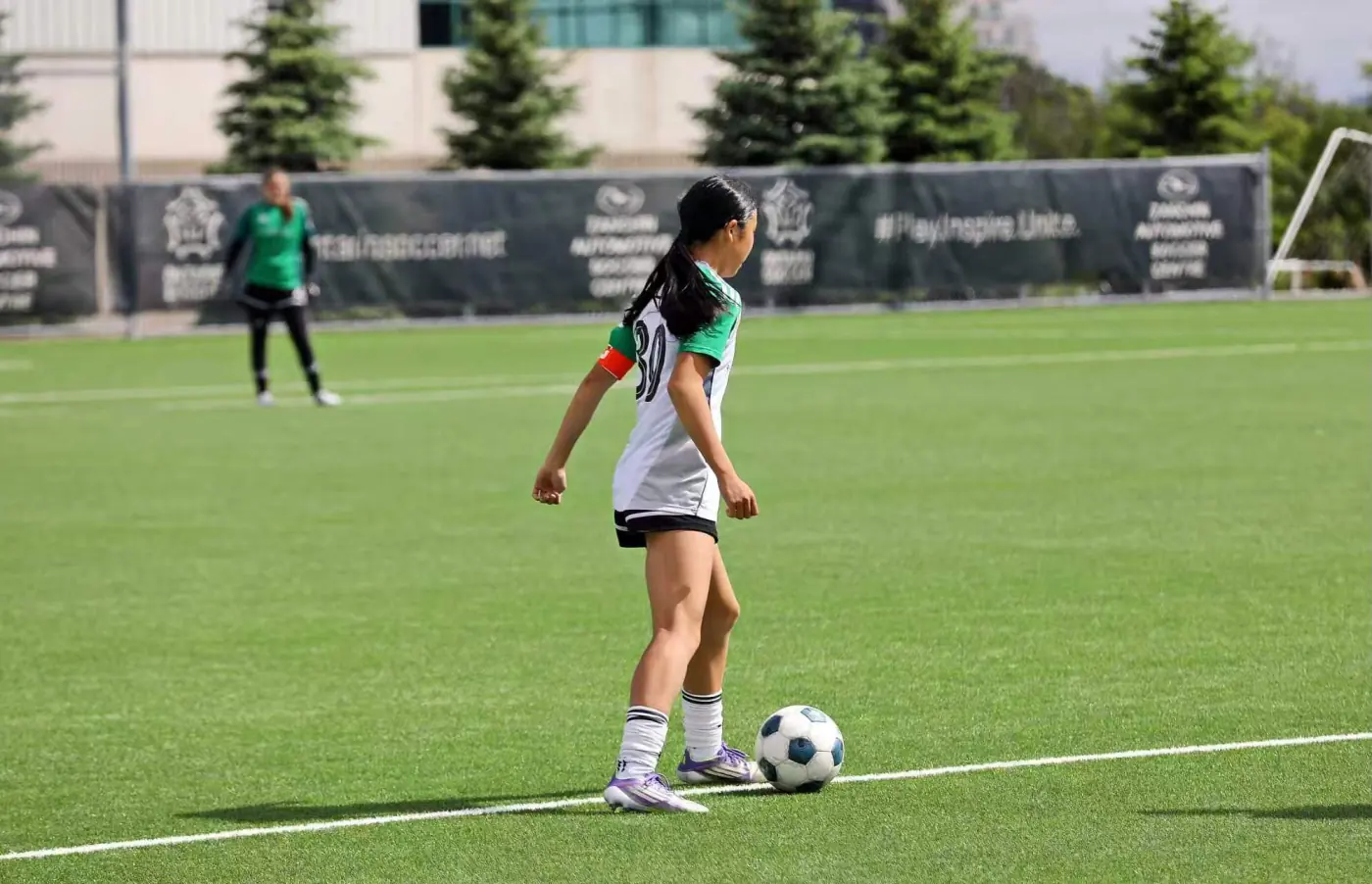
When I was younger, soccer felt simple. I wanted the ball, I wanted to play, and I wanted to get better. As the game became more competitive, the questions became more complicated. Was I on the right team? Was I improving quickly enough? What did a coach’s decision mean? How could I keep up with training and still do well in school?
I am still learning the answers. That is one reason I wanted to create this platform. I do not have a perfect formula, and I do not think one player’s journey can become a formula for everyone else. What I can offer is an honest look at how my understanding has changed.
My experience
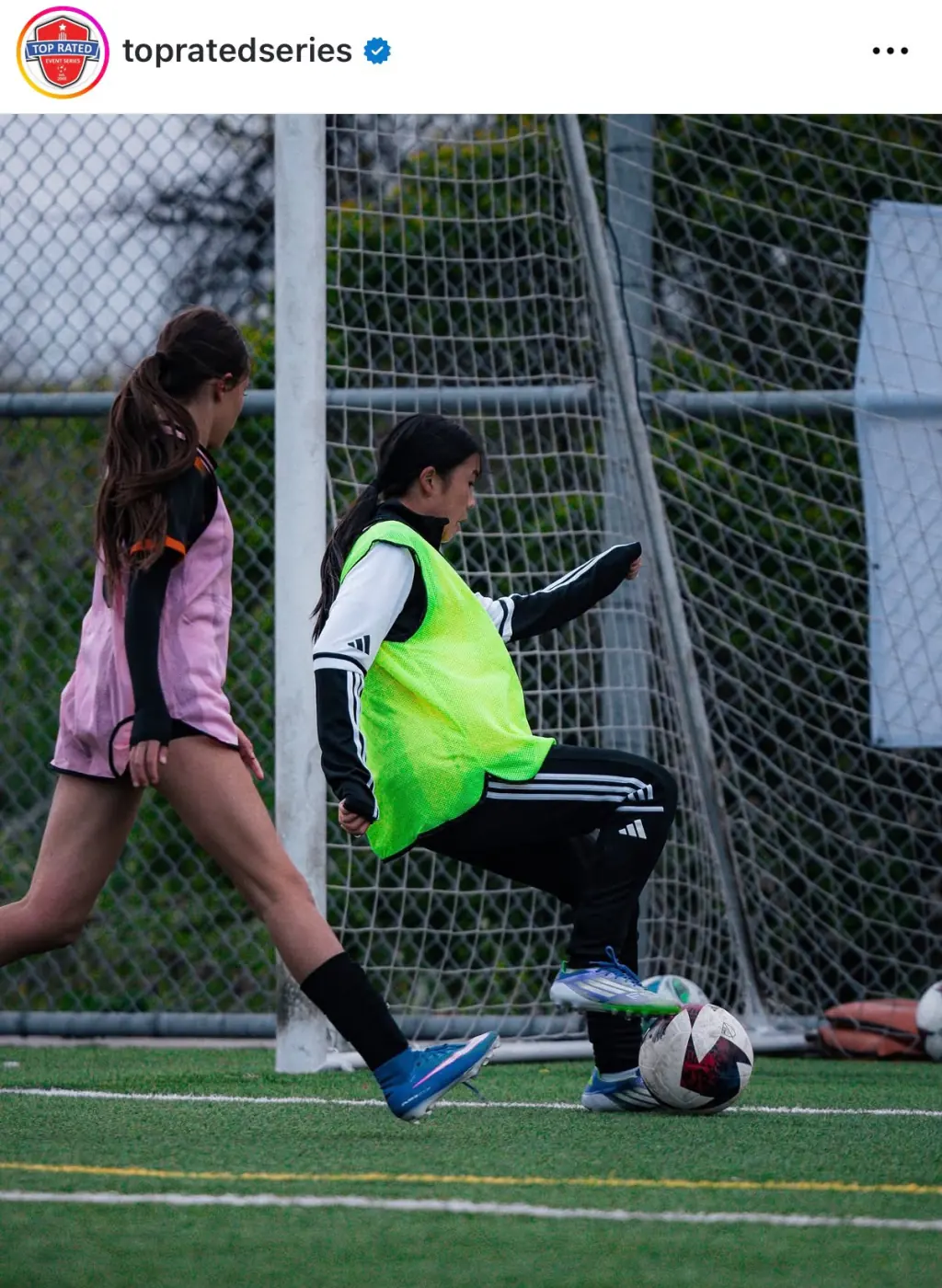
Each stage of soccer has asked something new from me. Early on, progress was visible in small ways: a better first touch, more comfort using both feet, or the confidence to try something in a game. Later, improvement became harder to measure. Competition increased. Roles changed. A good performance could be followed by a difficult one. Feedback sometimes challenged how I saw myself.
I also began to notice how much the environment matters. A club name or league level can look important, but daily development happens through coaching, repetition, feedback, trust, playing opportunities, and the way a player responds. I learned to ask better questions. Am I being challenged at the right level? Do I understand what I need to improve? Can I make mistakes and learn from them? Am I still enjoying the process?
School added another layer. Training does not pause for tests, and assignments do not disappear during tournament weeks. I had to become more organized. I learned that planning early reduces pressure, that sleep affects both learning and performance, and that asking for help is more responsible than waiting until everything becomes urgent.
What I learned
The biggest lesson is that development is not a straight line. Players grow at different times. A strong week does not mean everything is solved, and a hard month does not erase earlier progress. Comparison can make it difficult to see that.
I also learned that confidence is connected to preparation. Confidence can feel like an emotion that appears or disappears, but I have more control when I focus on repeatable actions: arriving ready, training with purpose, reviewing feedback, recovering well, and preparing for the next situation.
Recovery matters more than I understood at first. Rest is not a lack of commitment. When the schedule is demanding, sleep, nutrition, mobility, and honest communication about pain are part of being serious. The same is true for mental recovery. One performance should not become my whole identity.
Finally, I learned that progress includes qualities that are difficult to put in a highlight video. Communication, leadership, coachability, discipline, and academic responsibility all matter. They shape the teammate and person I am becoming.
Advice for players
Focus on the next useful action. If your weak foot needs work, build a small routine. If you do not understand your role, ask a respectful and specific question. If a game went badly, write down what happened before emotion changes the story.
Try not to let a team label decide how you feel about yourself. Look at the quality of your habits and whether your environment is helping you learn. Keep school, sleep, health, family, and friendships in the picture. Soccer can be important without being the only thing that makes you valuable.
Advice for parents
Ask about learning before asking about the score. Give players space to process a game before starting an analysis in the car. When choosing a team, look beyond the advertised level to coaching, culture, role, travel, cost, schedule, and the player’s confidence.
It also helps when home is a place where a young athlete can be more than an athlete. Support their goals, but make room for rest, other interests, and honest conversations about pressure.
Final reflection
My journey is still in progress. I am still working on technical details, physical preparation, communication, decision-making, and school balance. Sharing what I have learned does not mean I have finished learning it.
That is the point of this project: to make growth visible in a more honest way. Not only through achievements, but through questions, mistakes, adjustments, and the decision to keep improving with purpose.