Introduction
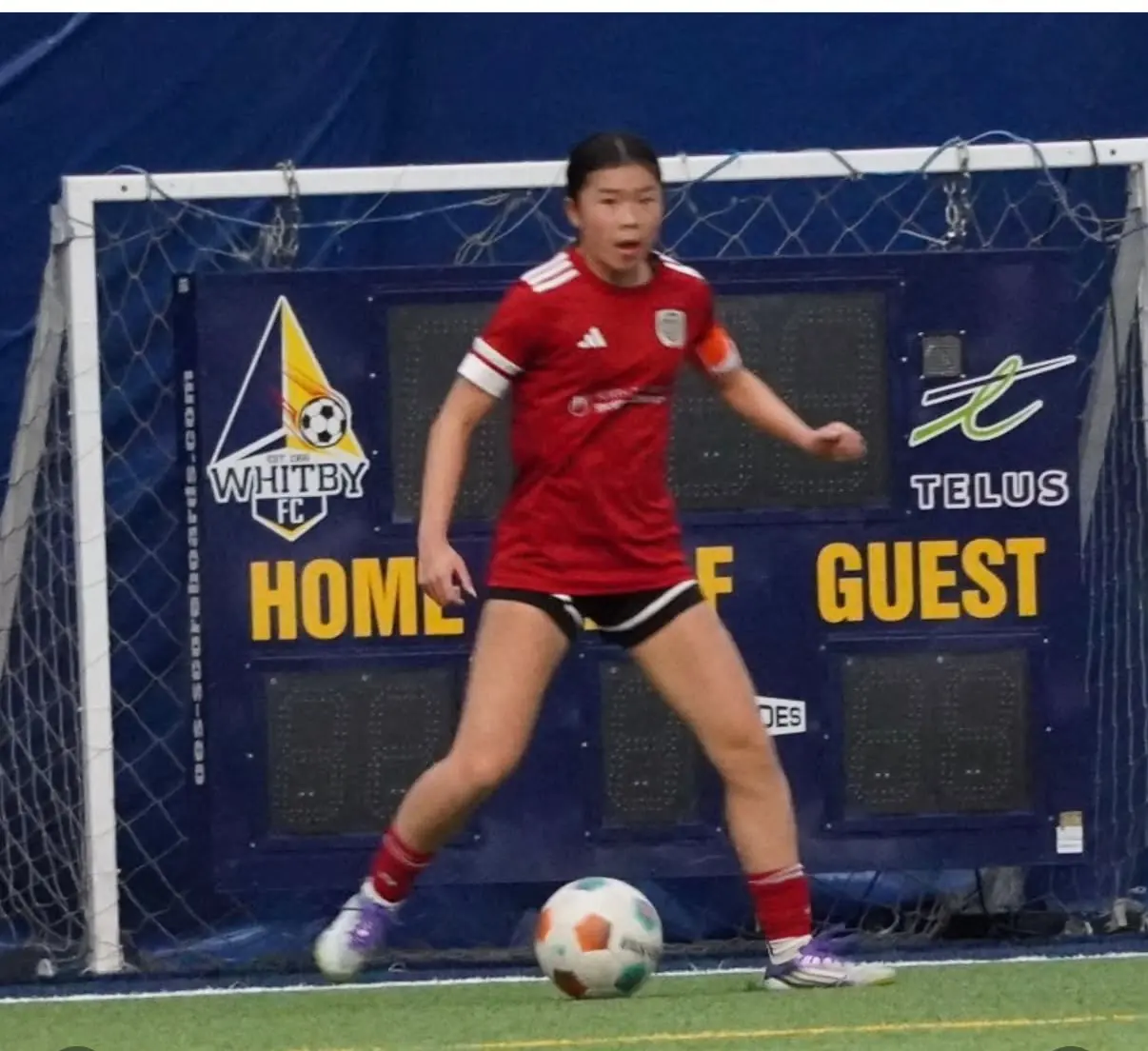
Competitive soccer can be exciting. Training becomes more focused, teammates are committed, games feel faster, and goals start to seem more serious. It can also be confusing. Families face new schedules, costs, travel, tryouts, team levels, and opinions about what a player “should” do next.
Before that transition, I thought the biggest difference would be the quality of soccer. I did not understand how much it would also ask of my time, confidence, communication, and ability to respond when things did not go my way.
These are the lessons I wish I had understood earlier.
My experience
The first surprise was that working hard did not always create an immediate result. I could have a good training week and still struggle in a game. I could improve a skill and then find that using it under pressure was a different challenge. Progress happened, but it did not always arrive on my schedule.
I also became more aware of other players. Someone was faster, stronger, more confident, or already comfortable in a position I was learning. Comparison sometimes made useful information feel personal. Instead of asking what I could learn, I could start wondering what another player’s success said about me.
Team roles added pressure. Starting, playing time, position, and selection can feel like permanent judgments, especially when soccer matters deeply. Over time, I learned that a coach’s decision may reflect the needs of one game, a tactical choice, or an area I need to develop. It deserves attention, but it does not have to become my identity.
What I learned
The environment matters more than the label. A higher level is not automatically better if a player is losing confidence, rarely receiving useful feedback, or not getting meaningful development. Coaching, culture, challenge, safety, and playing opportunity all matter.
Using both feet should start early. It is easier to build comfort before the game becomes fast and pressure exposes every limitation. Short, consistent work is more effective than waiting for a problem to become urgent.
Recovery is training. More is not always better. Poor sleep, hidden pain, and constant fatigue reduce the quality of work and can affect school and mood. Serious athletes learn when to push and when to recover, with guidance from parents and qualified professionals.
Game film needs a question. Rewatching a game without a purpose can become criticism. It is more useful to focus on one theme: scanning before receiving, decisions in transition, movement away from the ball, or what happened before a turnover.
School needs a plan, not leftover time. Competitive schedules can fill every open space. Homework, tests, sleep, and meals need to be planned as real commitments. Waiting to “fit them in” creates avoidable stress.
Confidence needs evidence. I feel more stable when I can point to preparation: a routine I completed, feedback I applied, or a difficult moment I handled. Confidence built only on praise or results disappears quickly.
Advice for players
Choose one or two areas to improve instead of trying to fix everything at once. Ask coaches specific questions. “What should I do better?” is hard to answer; “What can I improve about my movement when our fullback has the ball?” is more useful.
Keep a short game reflection. Write two things that worked, one thing you learned, and one action for the week. Then let the game end. You are allowed to be disappointed, but you do not need to carry every mistake into the next day.
Protect your life outside soccer. School, family, rest, and friendships are not distractions from development. They help create perspective and resilience.
Advice for parents
Before joining a team, ask about the full schedule, annual cost, coach qualifications, communication, player rotation, position development, travel, and expectations outside team training. Watch how adults speak to players when a game is difficult.
After games, let the player lead the conversation. A simple question—“Do you want to talk now or later?”—can reduce pressure. Praise choices and habits more than rankings, goals, or team labels.
Final reflection
Competitive soccer has taught me commitment, but it has also taught me to think more carefully about what commitment means. It is not constant intensity. It is returning to useful work, taking care of the person doing the work, and staying honest about what the next step requires.
I wish I had known that sooner. I am grateful to be learning it now.