01 / 05
Early soccer years
Where the love of the game began
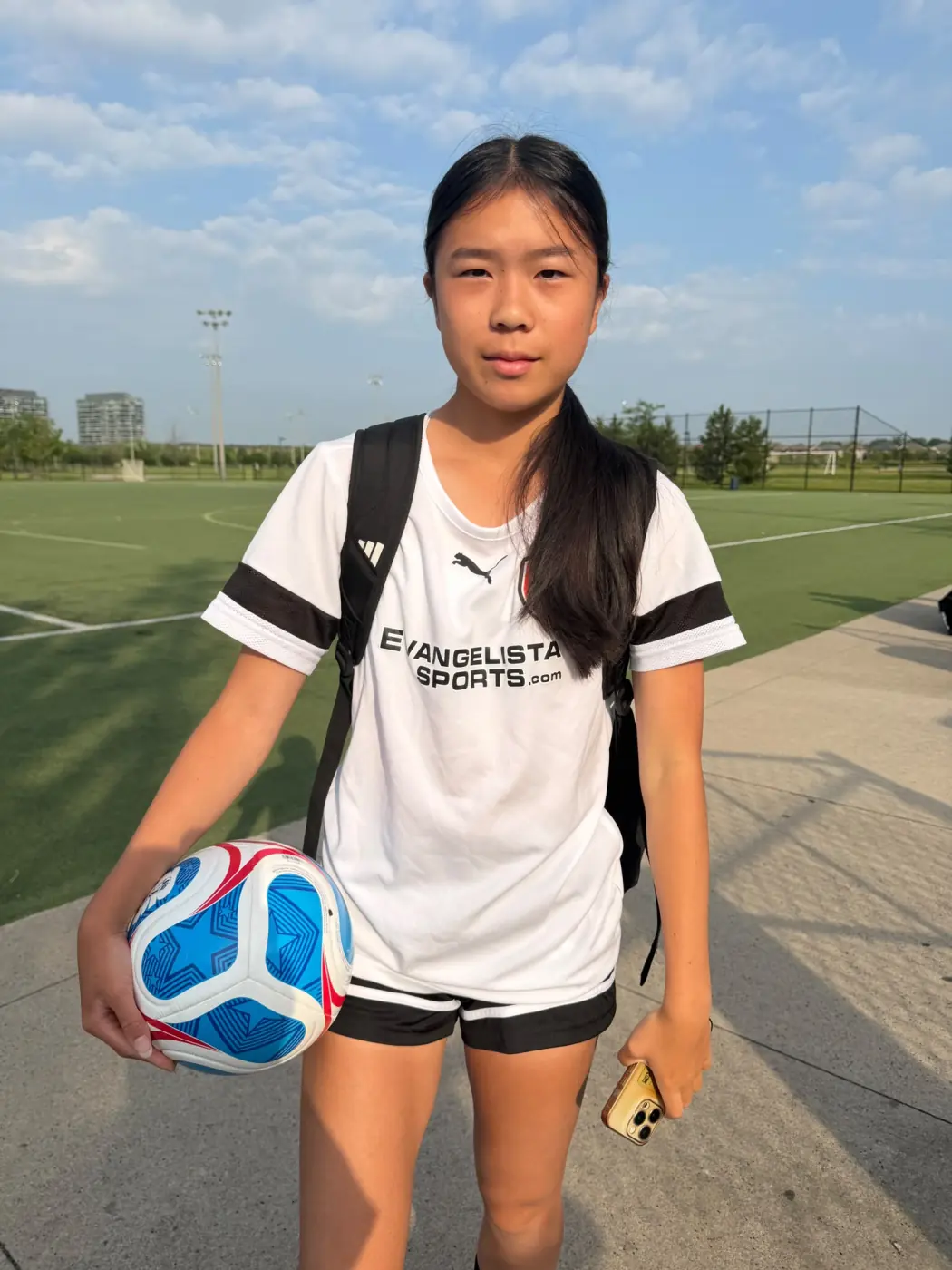
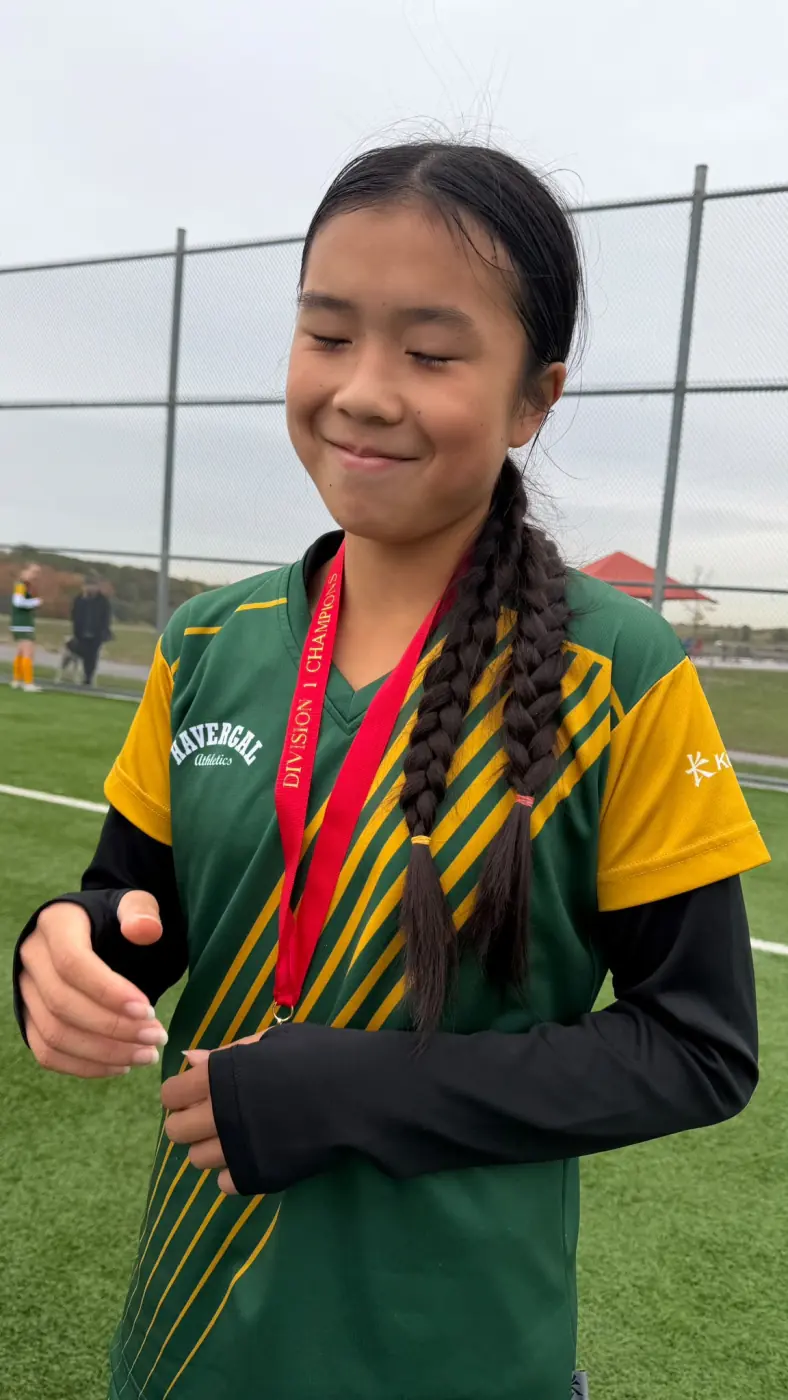
My first experience with soccer was playing house league. At that age, I was not thinking about competition, exposure, university recruitment, or what level I was playing at. I simply thought soccer was fun.
I loved running toward the goal, scoring, and coming back to play each week. Some of my earliest memories are the small moments, like hearing encouragement from a coach or feeling excited whenever I got the ball near the net.
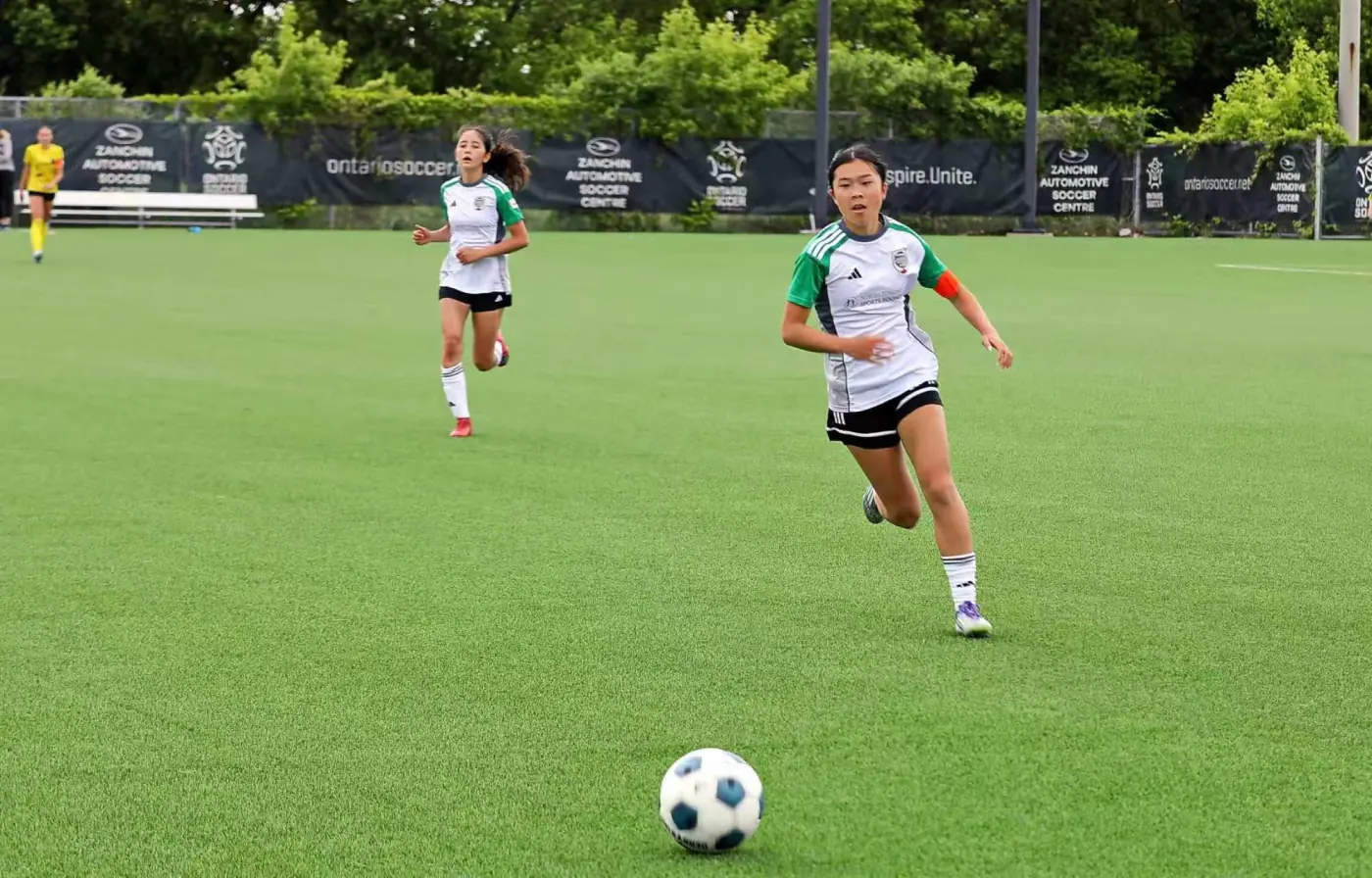
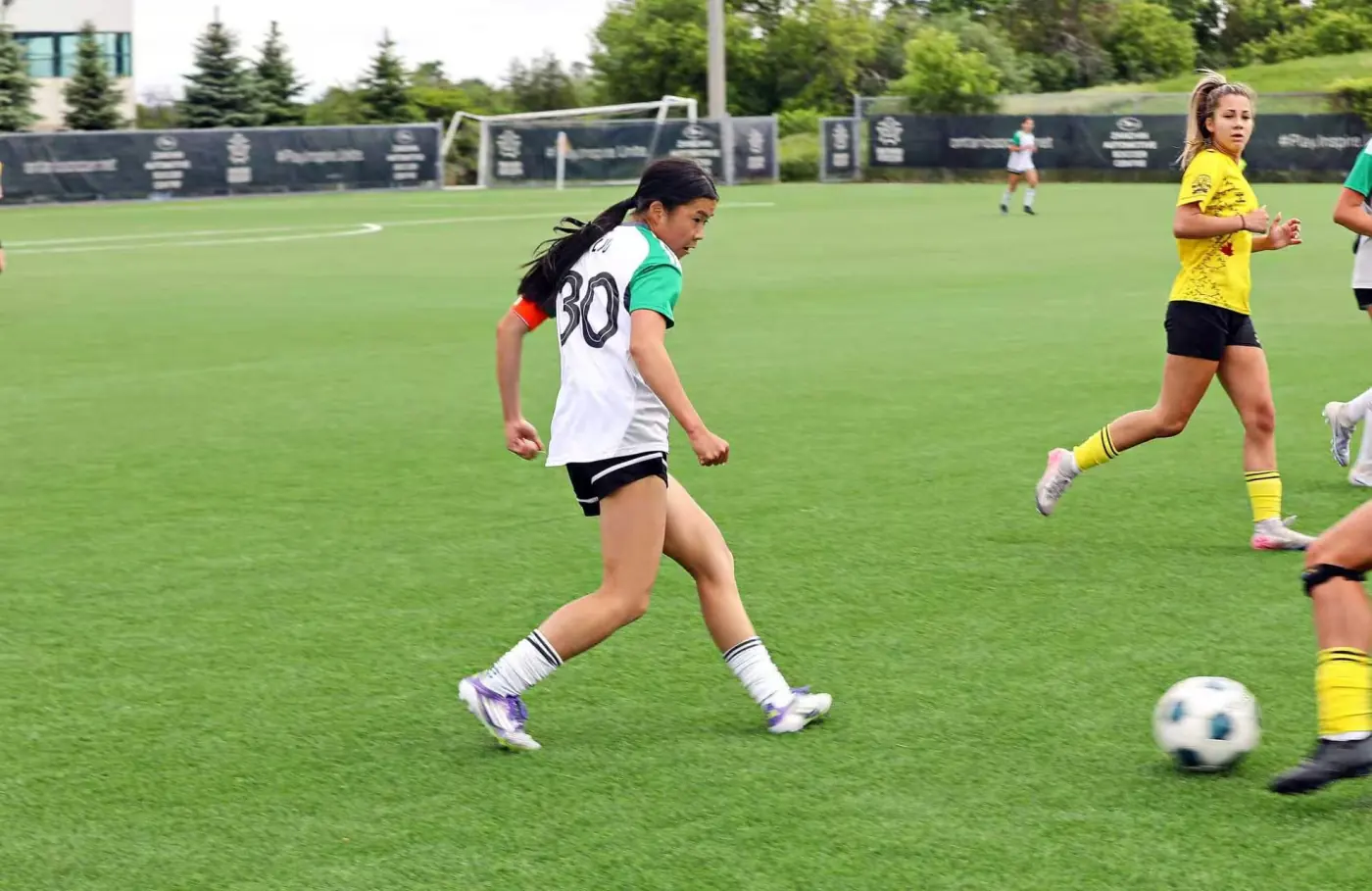
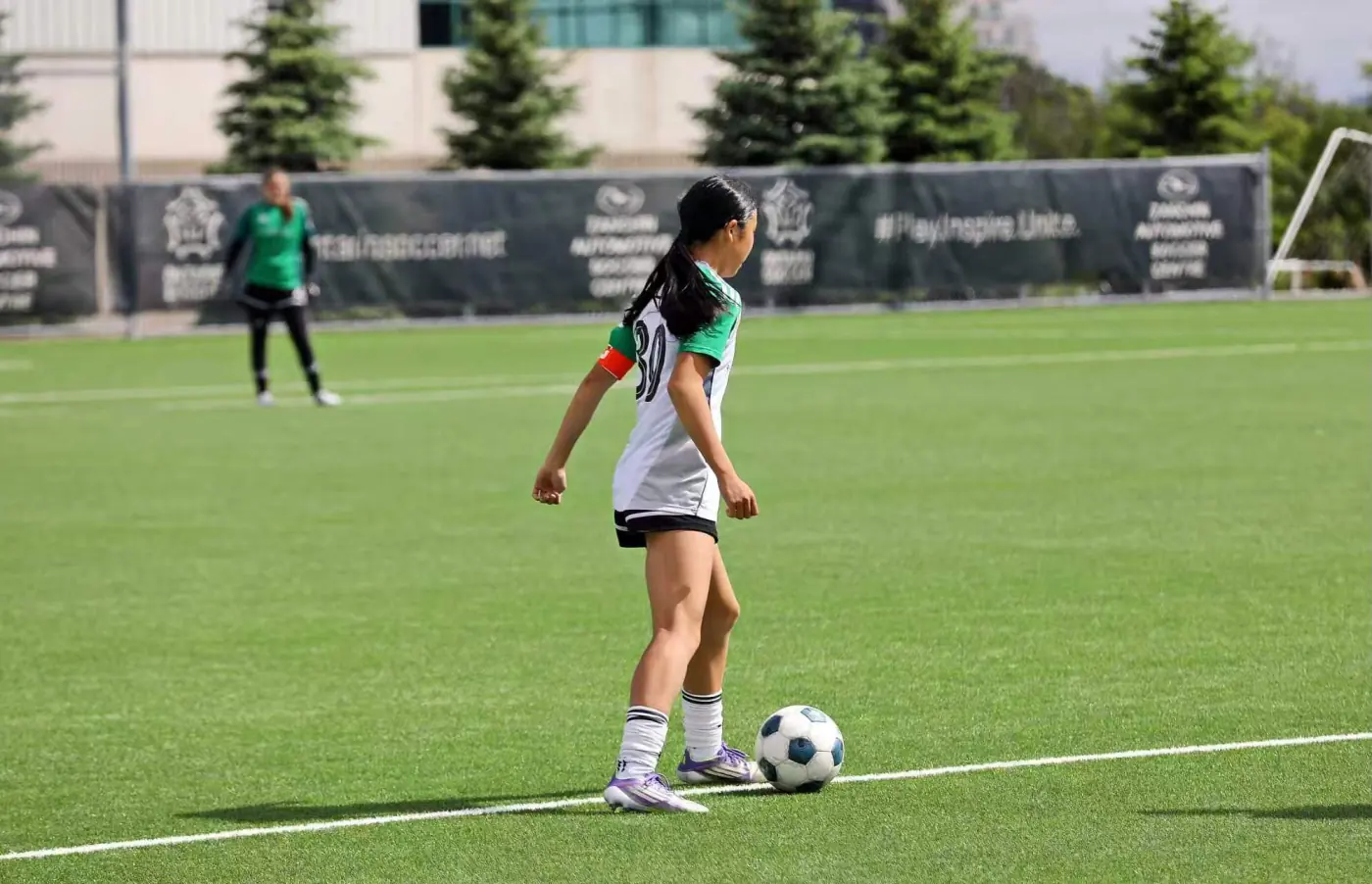
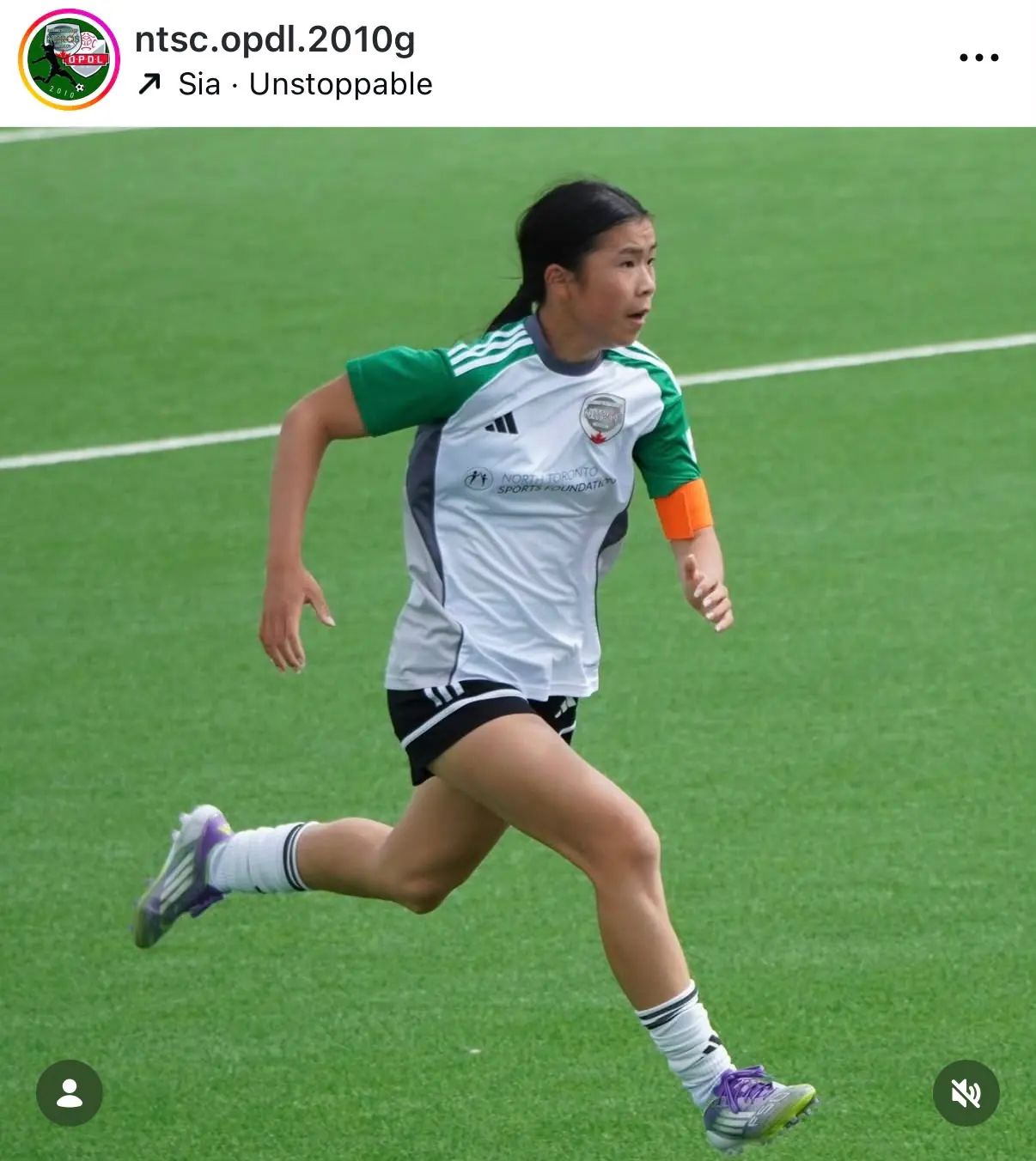
This was also when I discovered that I was fast. Speed came naturally to me, and I realized that I could use it to run past players and create chances. At the time, I did not think of it as part of my playing style. I just knew that running fast and scoring goals made me happy.
Looking back, this stage was important because it created my love for soccer. Before the sport became competitive or demanding, it was simply something I always wanted to do.
02 / 05
First competitive stage
Learning commitment and responsibility
When I joined my first rep team, soccer became more serious and structured. We had weekly practices, scheduled league games, team roles, and clearer expectations from our coaches.
I learned that being part of a competitive team meant arriving early, changing, warming up, and being mentally ready before the game began. Our coach expected us to stay focused, listen carefully, and work hard. If we were distracted or unprepared, we would be corrected.
This stage taught me that playing on a team involved responsibility. Other players depended on me to show up prepared and give my best effort. I also had to learn how to listen to feedback and move forward after a practice or game did not go well.
Because I was fast and liked making runs toward the goal, I began playing mainly as a forward. This was the first time I started to understand that I had a role on the field and certain strengths I could build around.
03 / 05
Club transitions
Searching for a greater challenge
As I became older, I started searching for stronger competition. I moved from Stouffville to Aurora for U12 because I felt ready for a greater challenge.
At U13, I tried out for Aurora’s OPDL team but was not selected, partly because the coach believed I was too small. I stayed in iModel for a short time, but I felt hungry to play at a higher level, so I moved to Vaughan and entered OPDL.
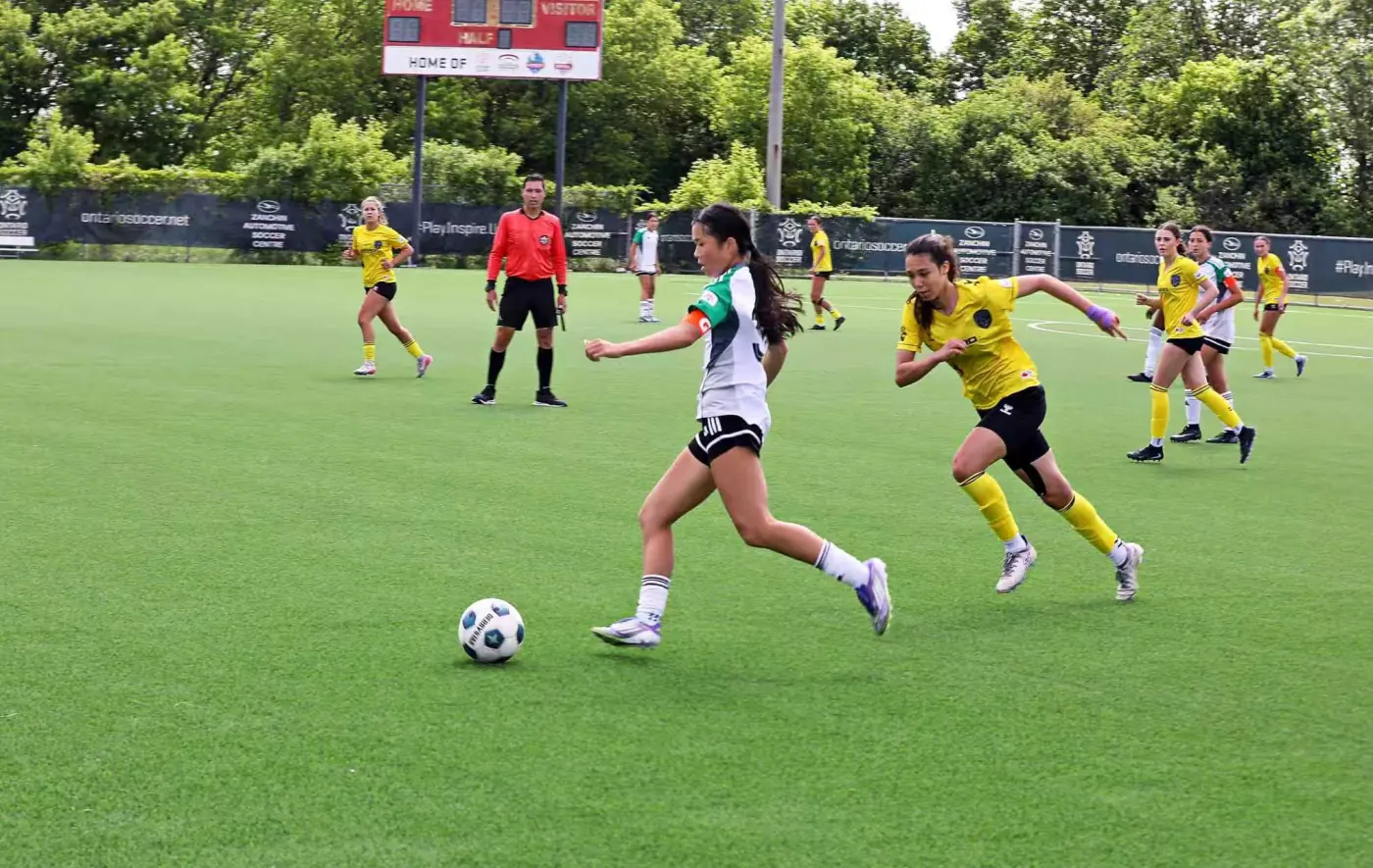
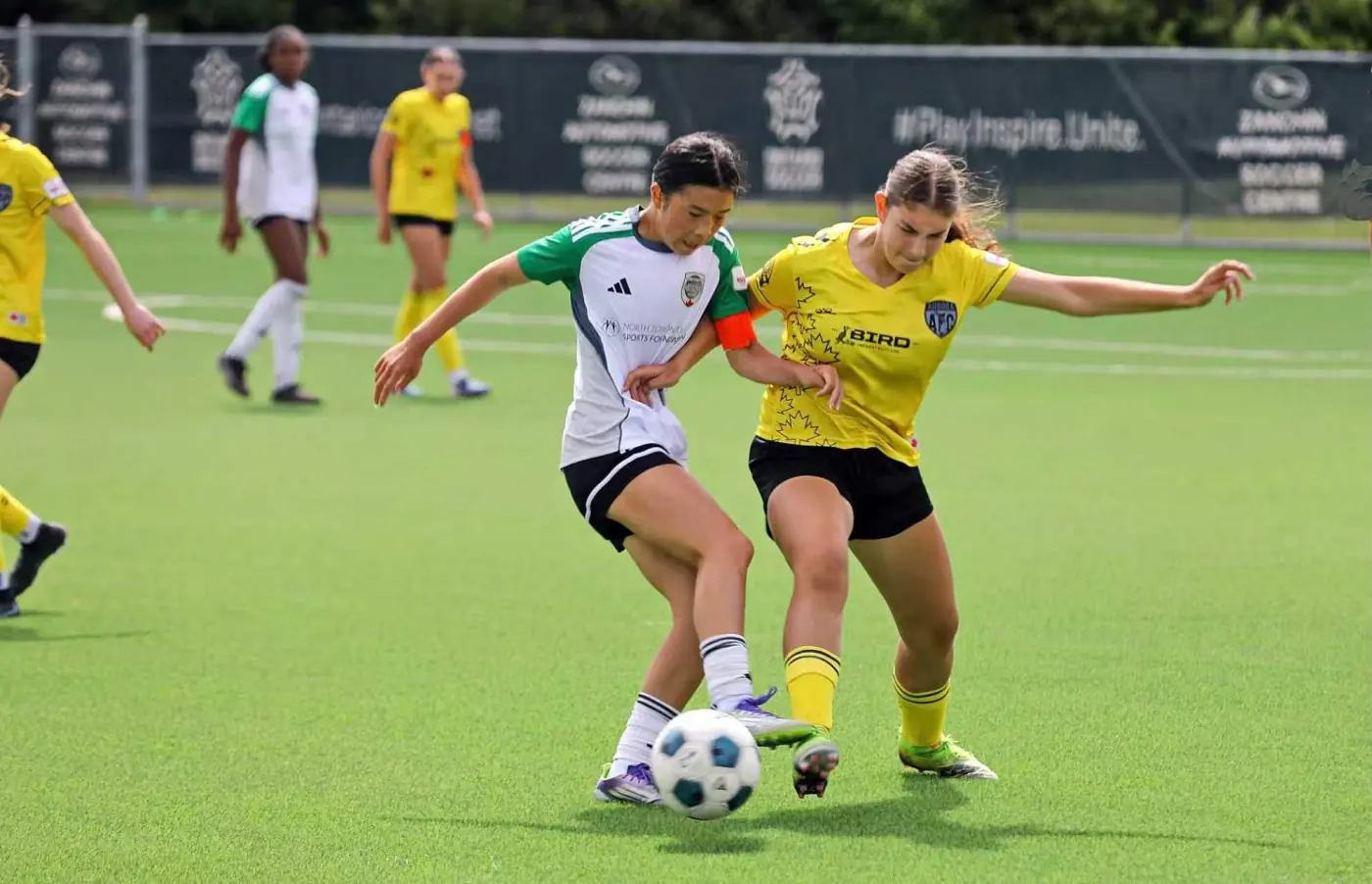
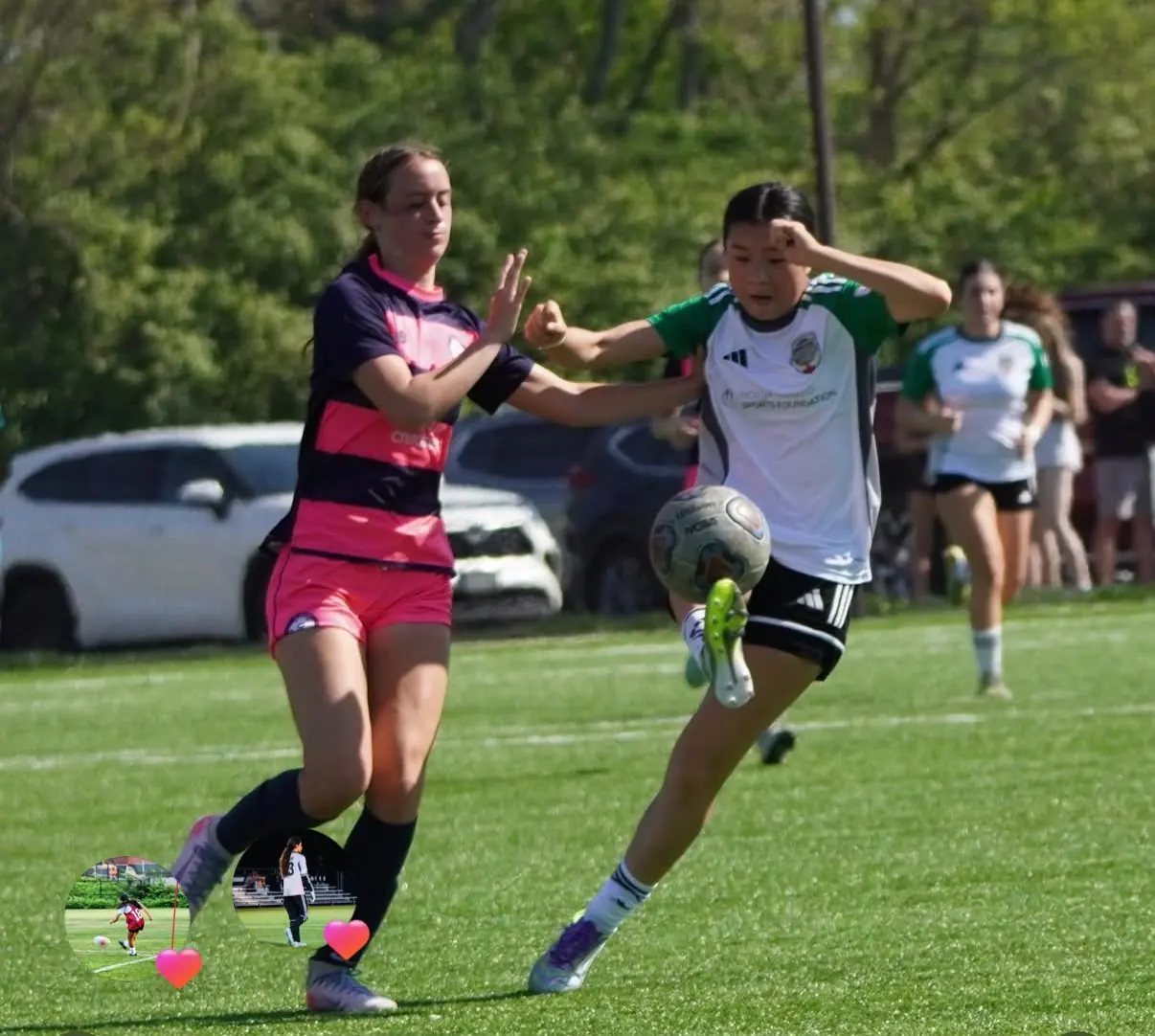
The jump was difficult. I had previously played striker, but I struggled against stronger and more physical defenders. I was eventually moved to fullback, and during U14, I began discovering that winger suited my speed and technical style better. However, competition for playing time became another challenge.
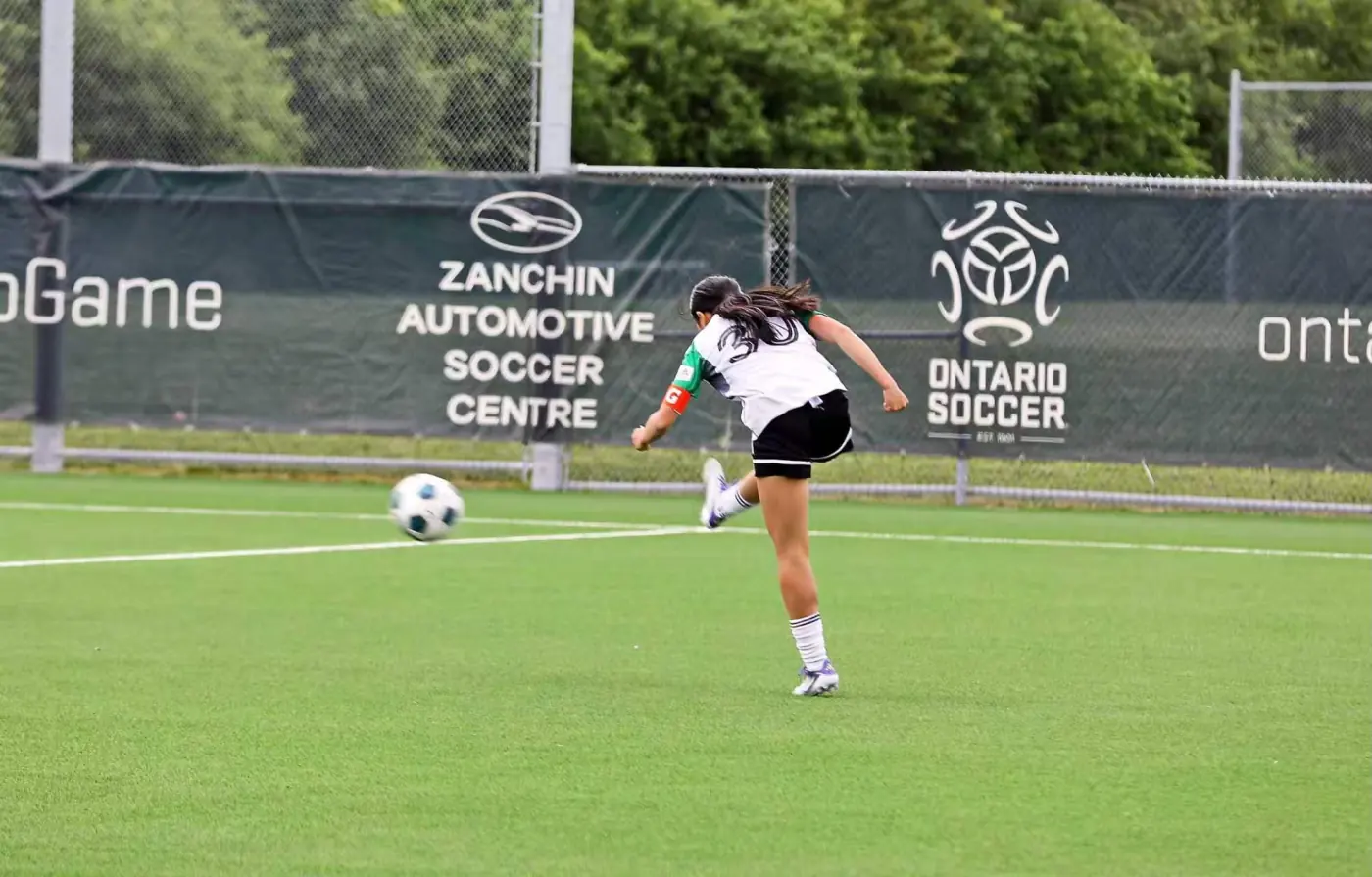
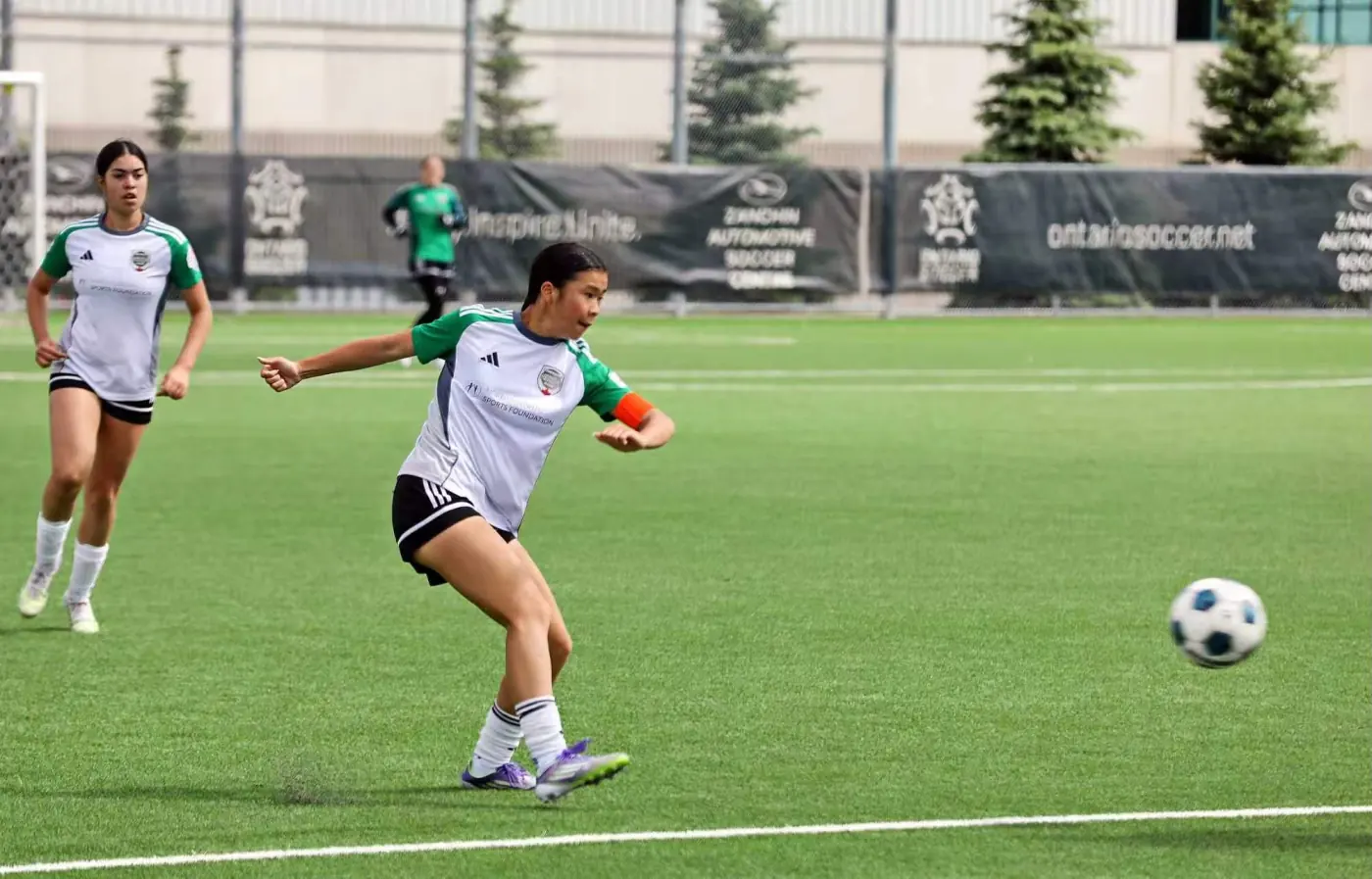
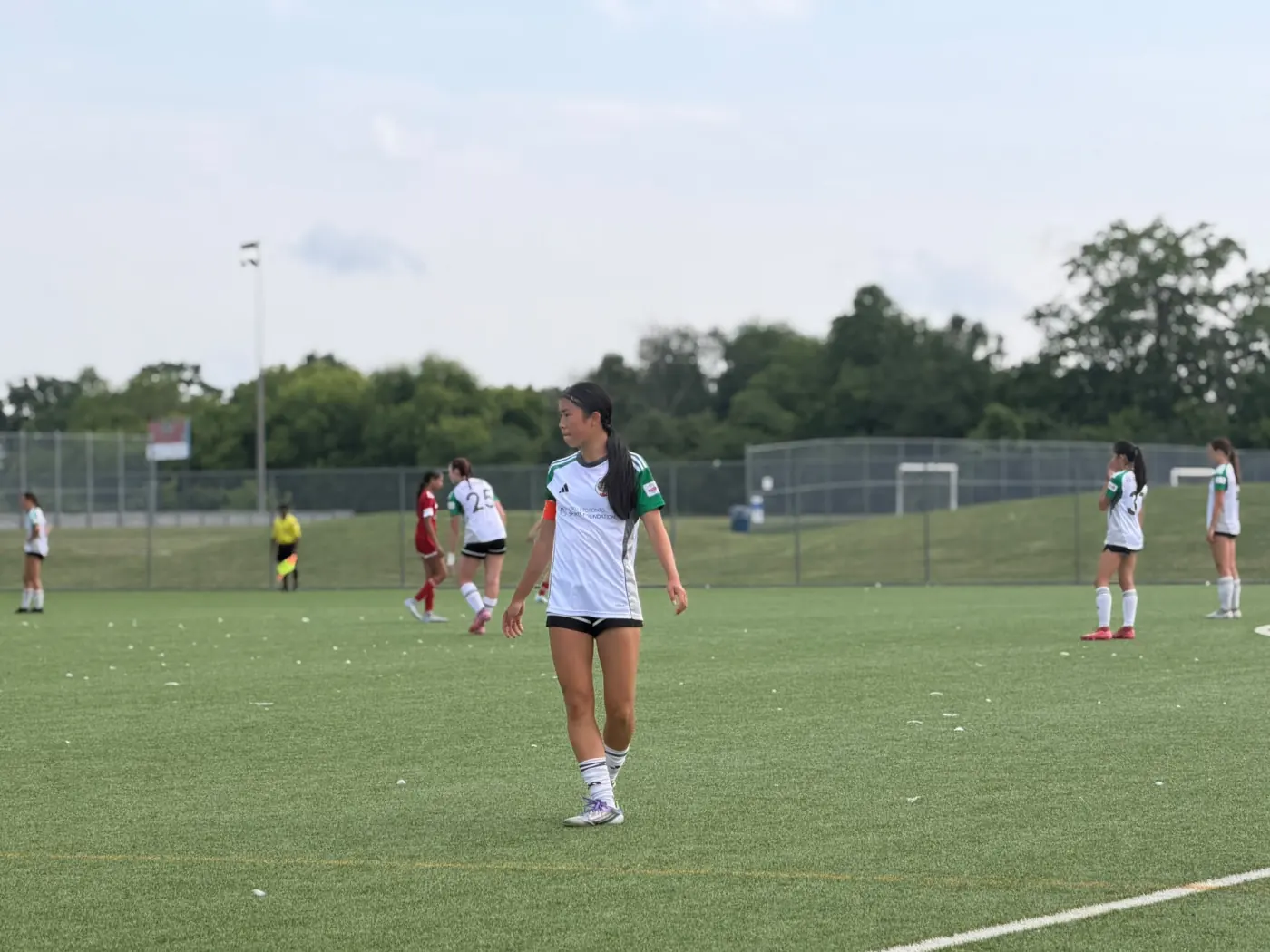
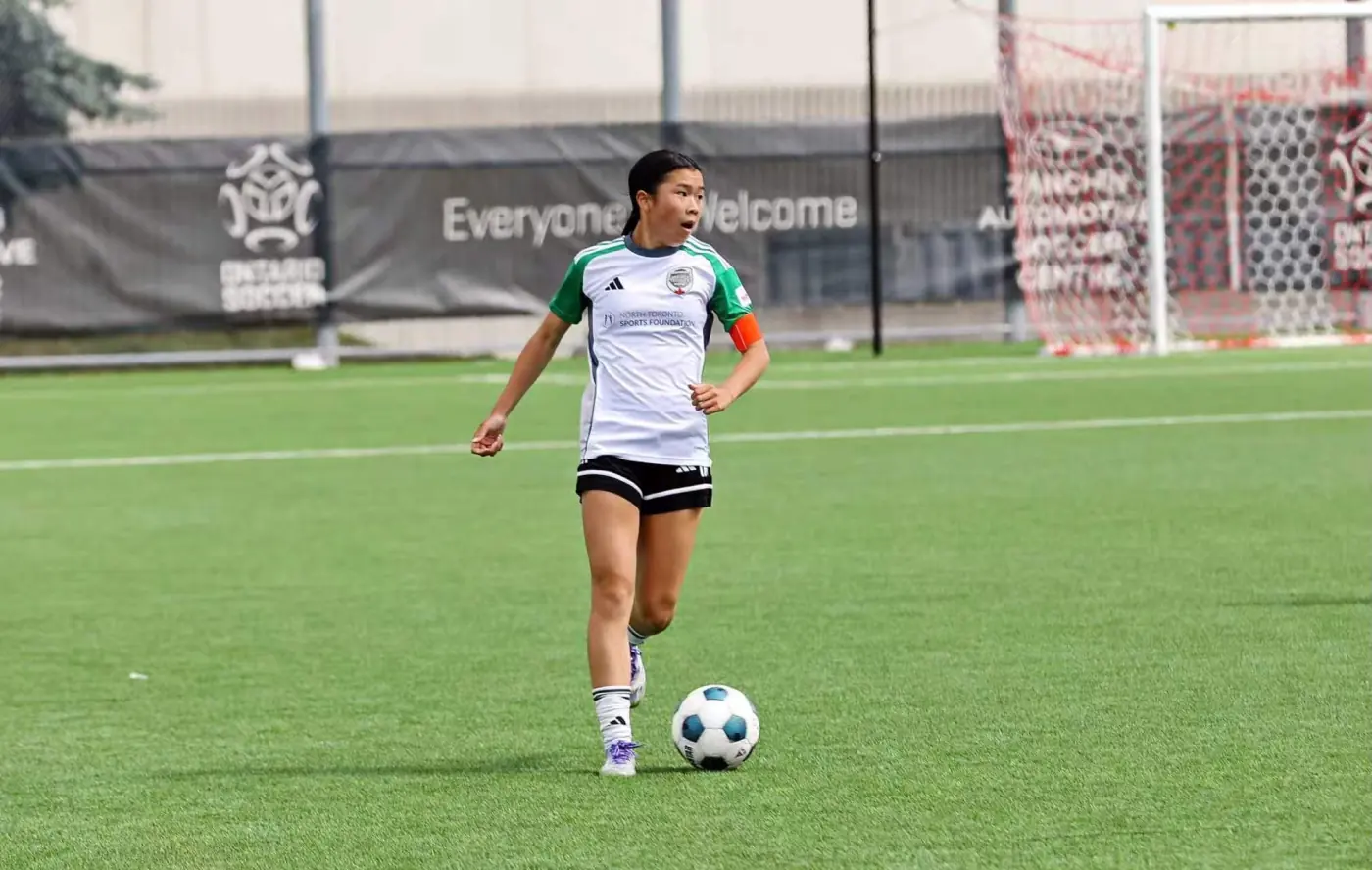
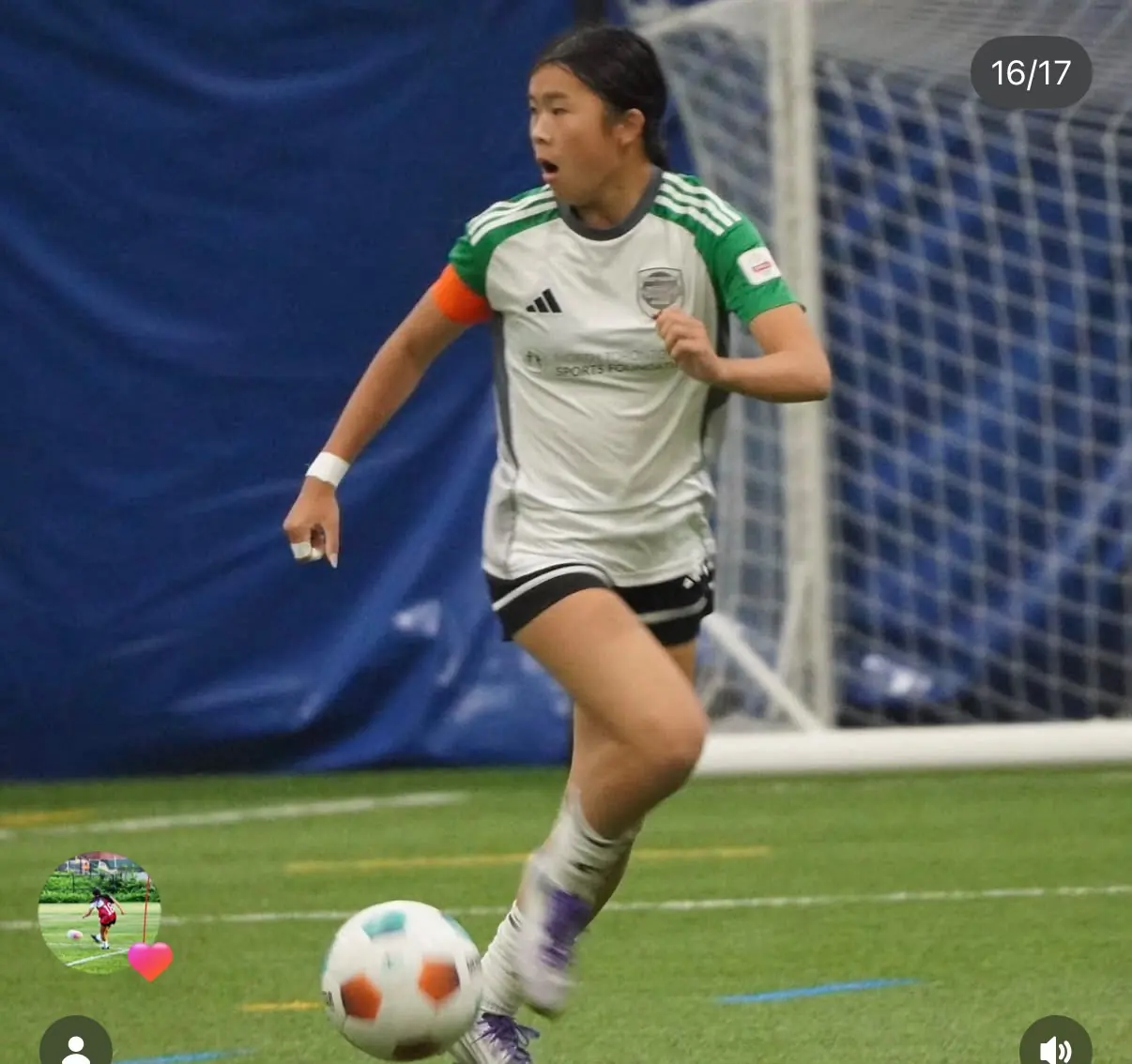
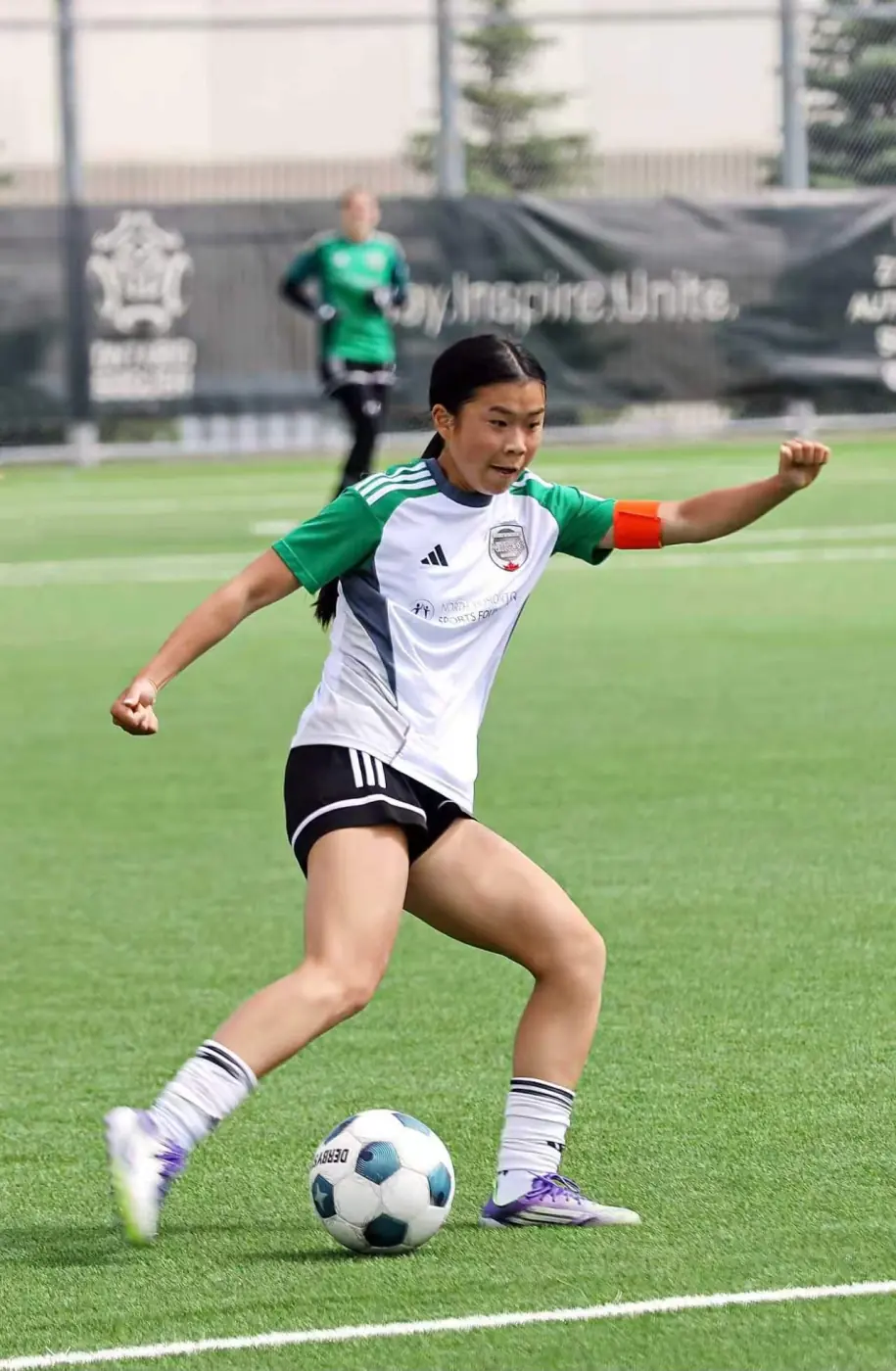
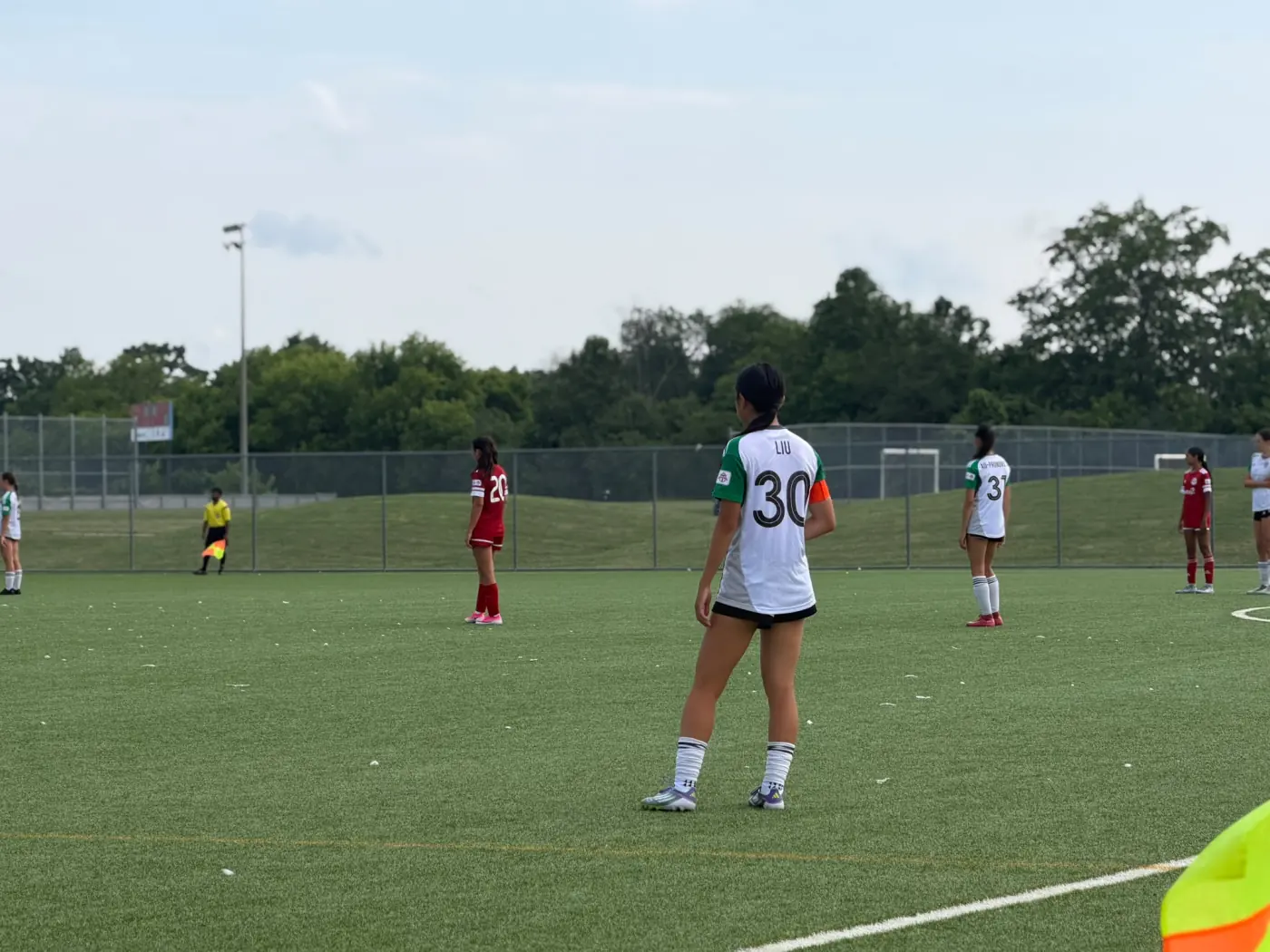
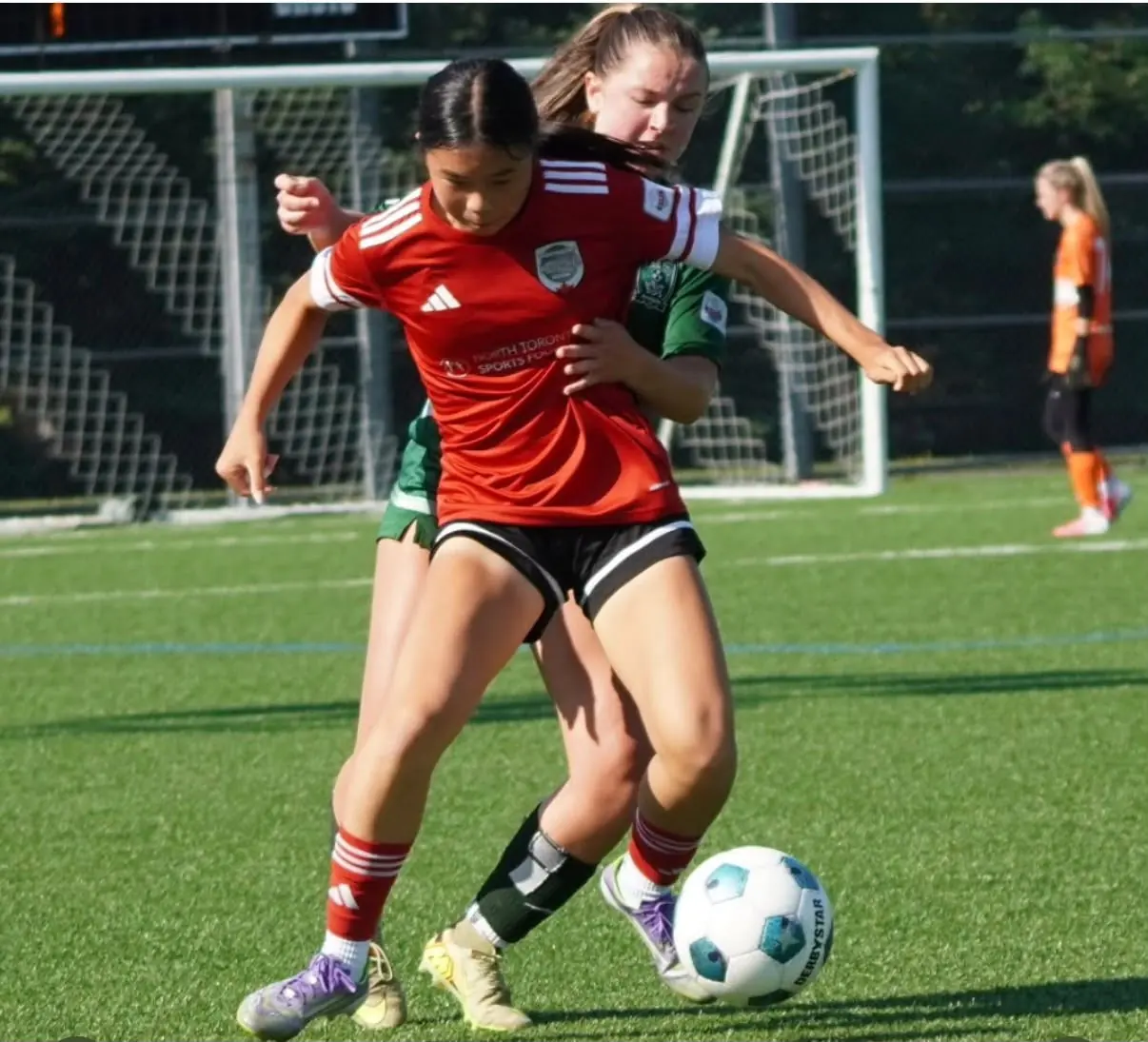
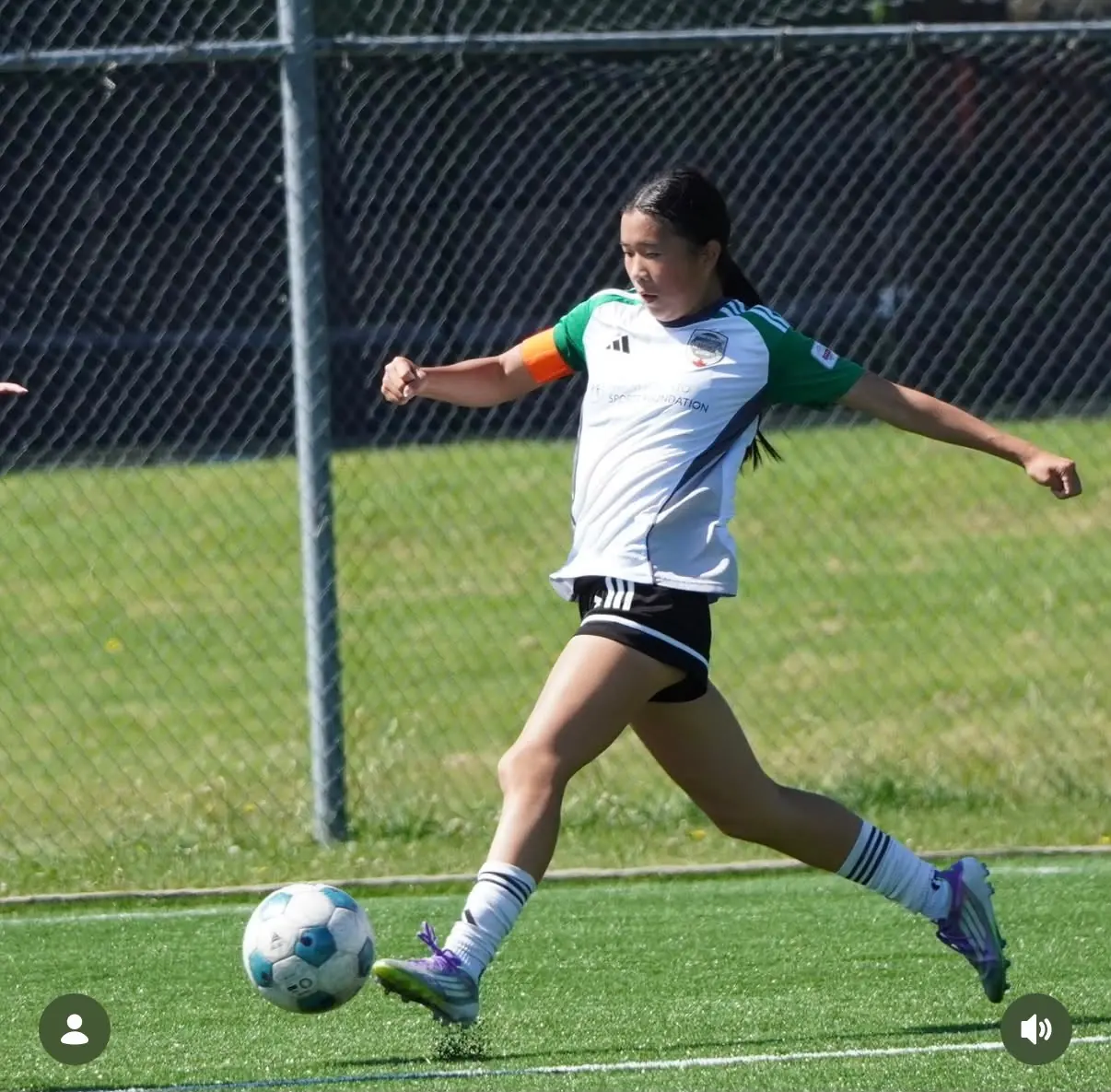
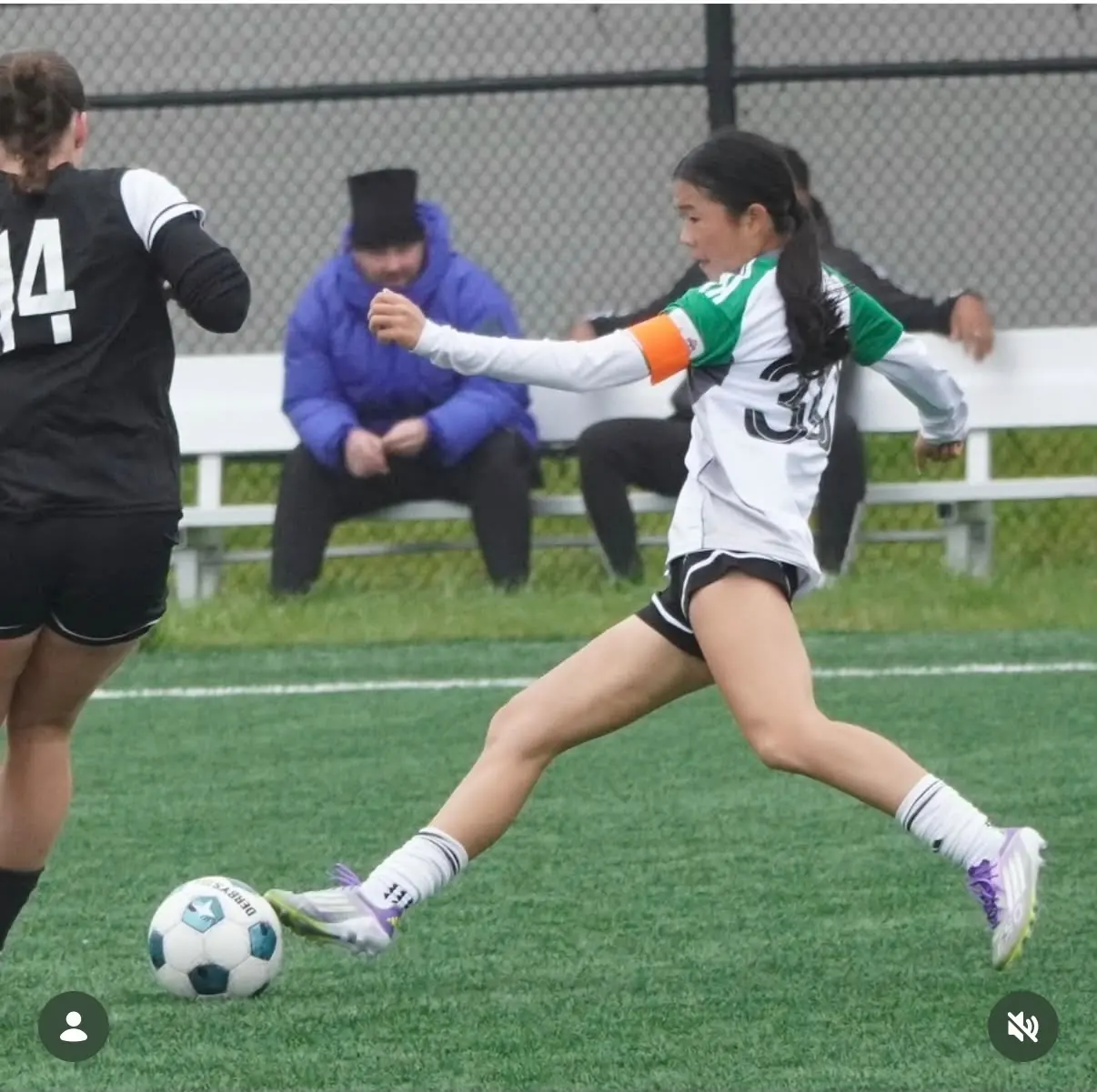
For U15, I joined North Toronto Nitros. I immediately noticed that many teammates were more technically polished than I was, which showed me how much individual work I needed. I also learned that some coaches will value you more than others. Once I reached U16, my current age group, I got a new coach who recognized my effort and trusted me. I continued working hard, which eventually led to me becoming co-captain and one of the best players on my team and in the league.
04 / 05
High-performance stage
Going all in
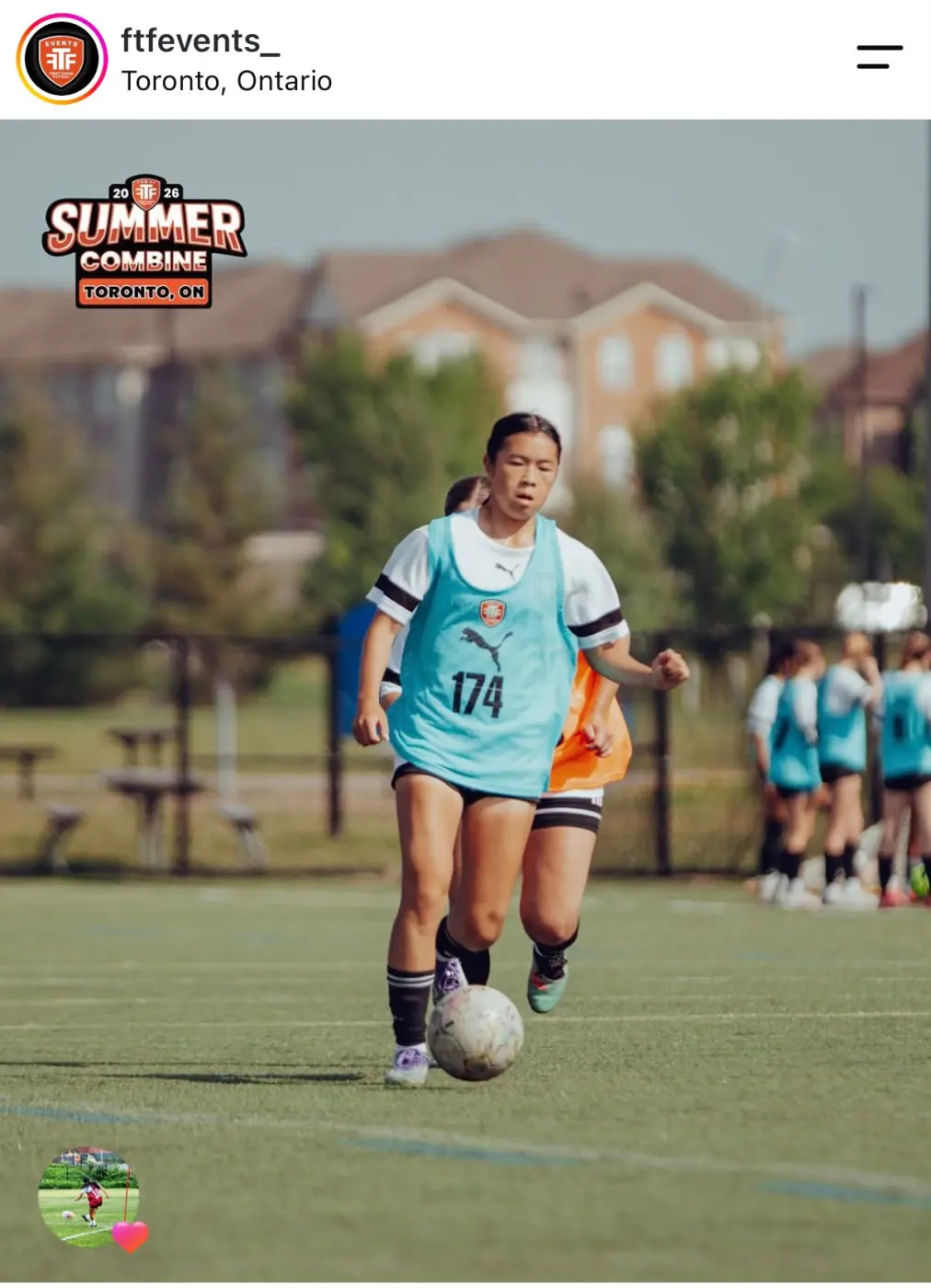
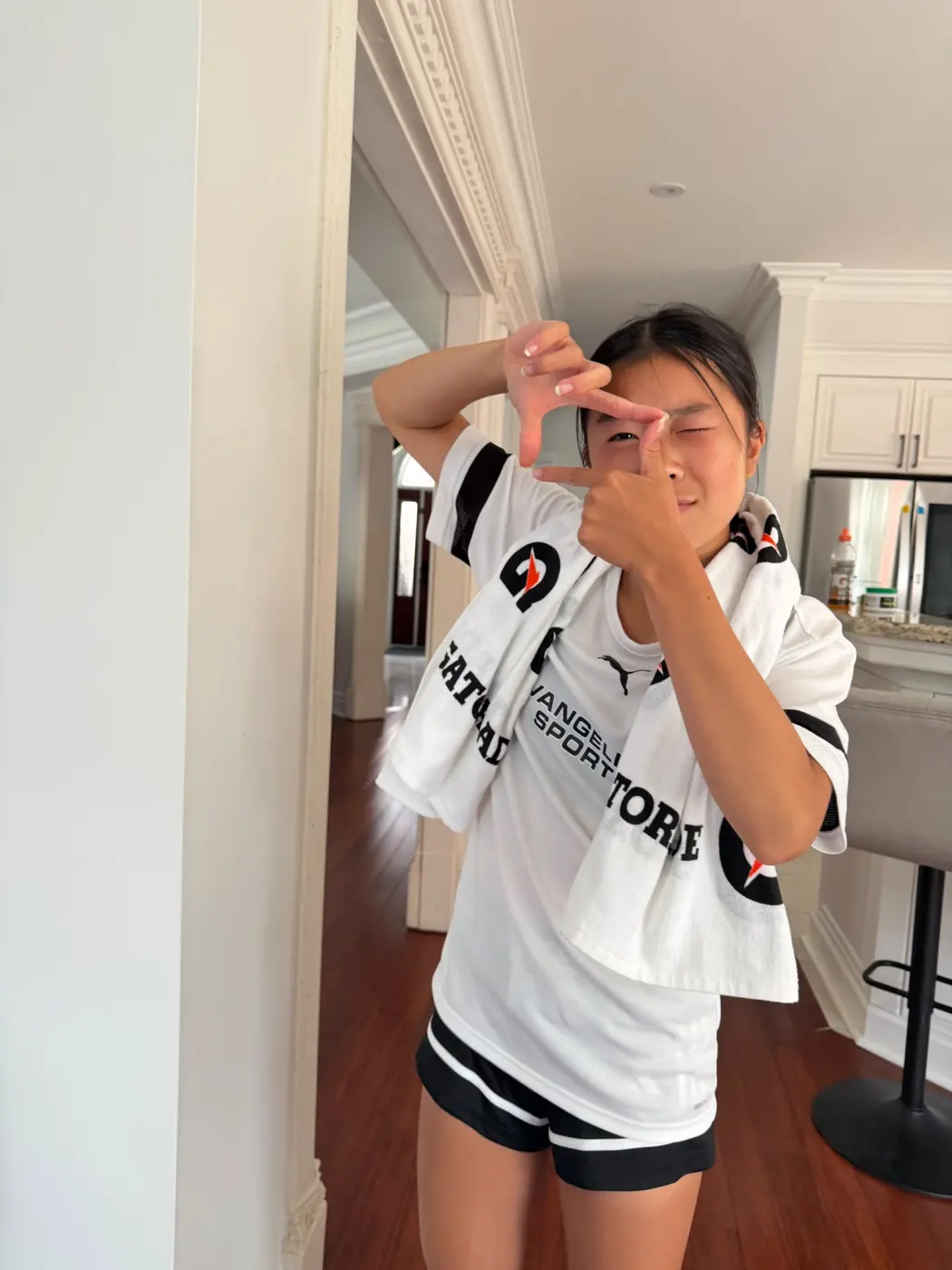
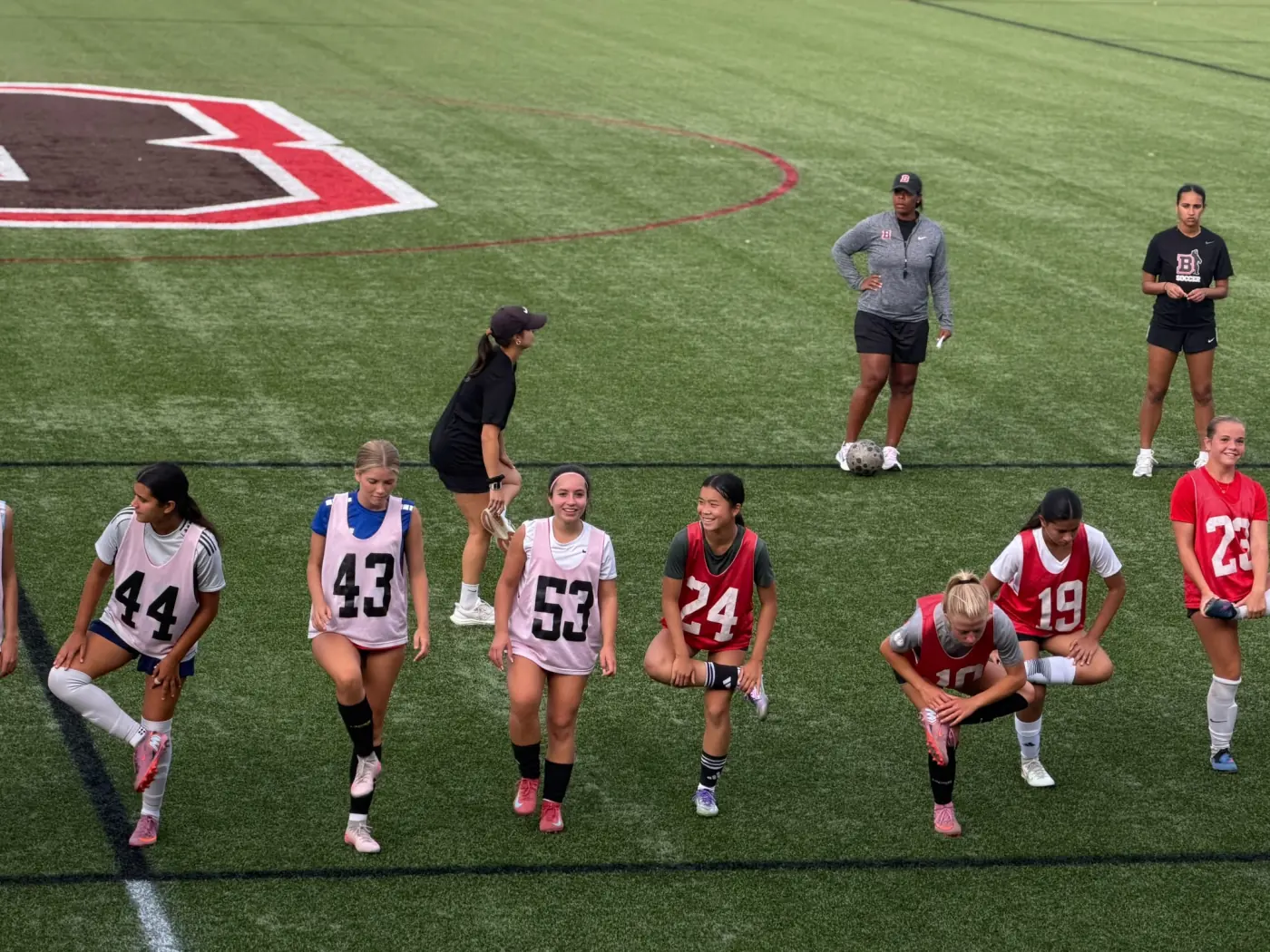
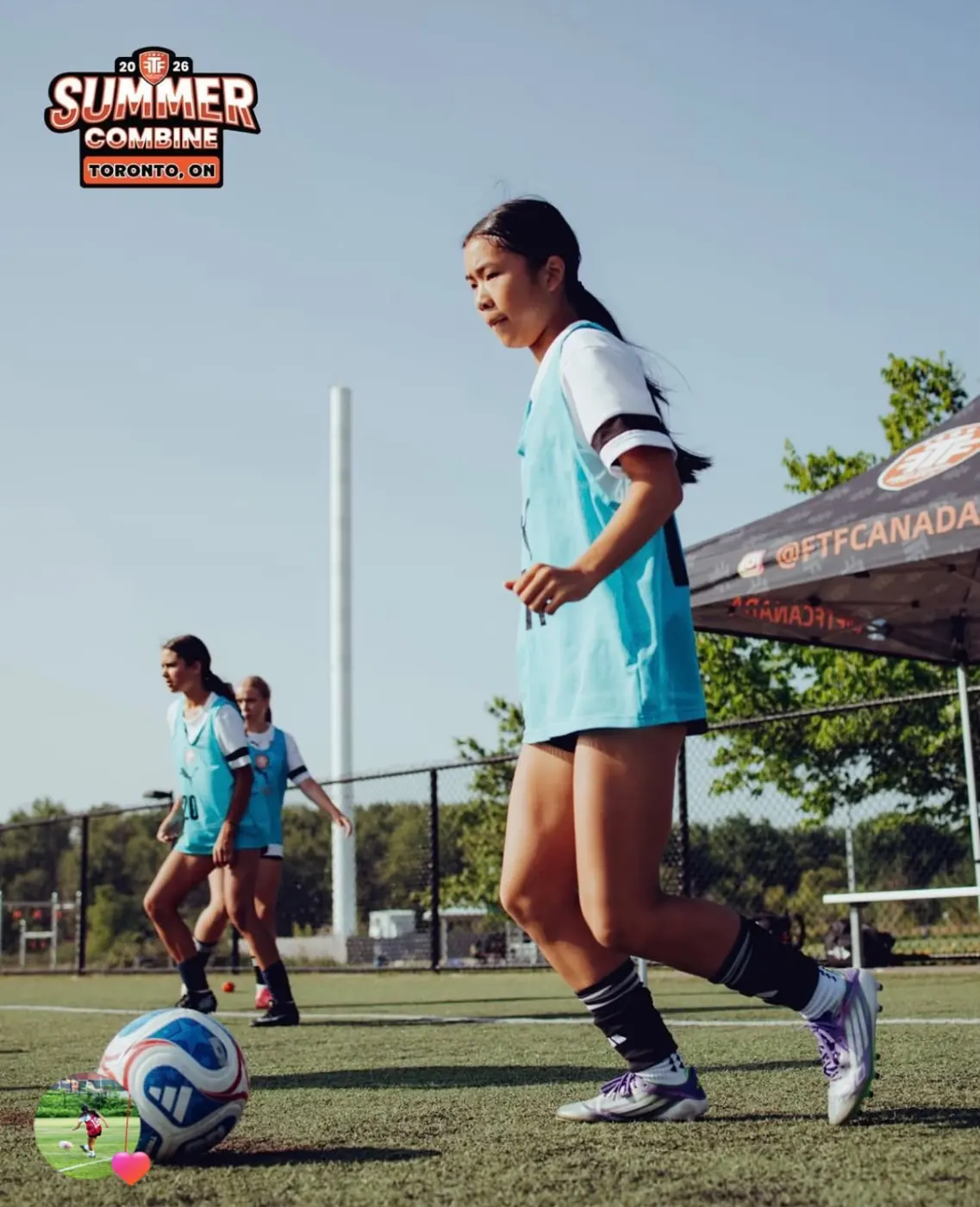
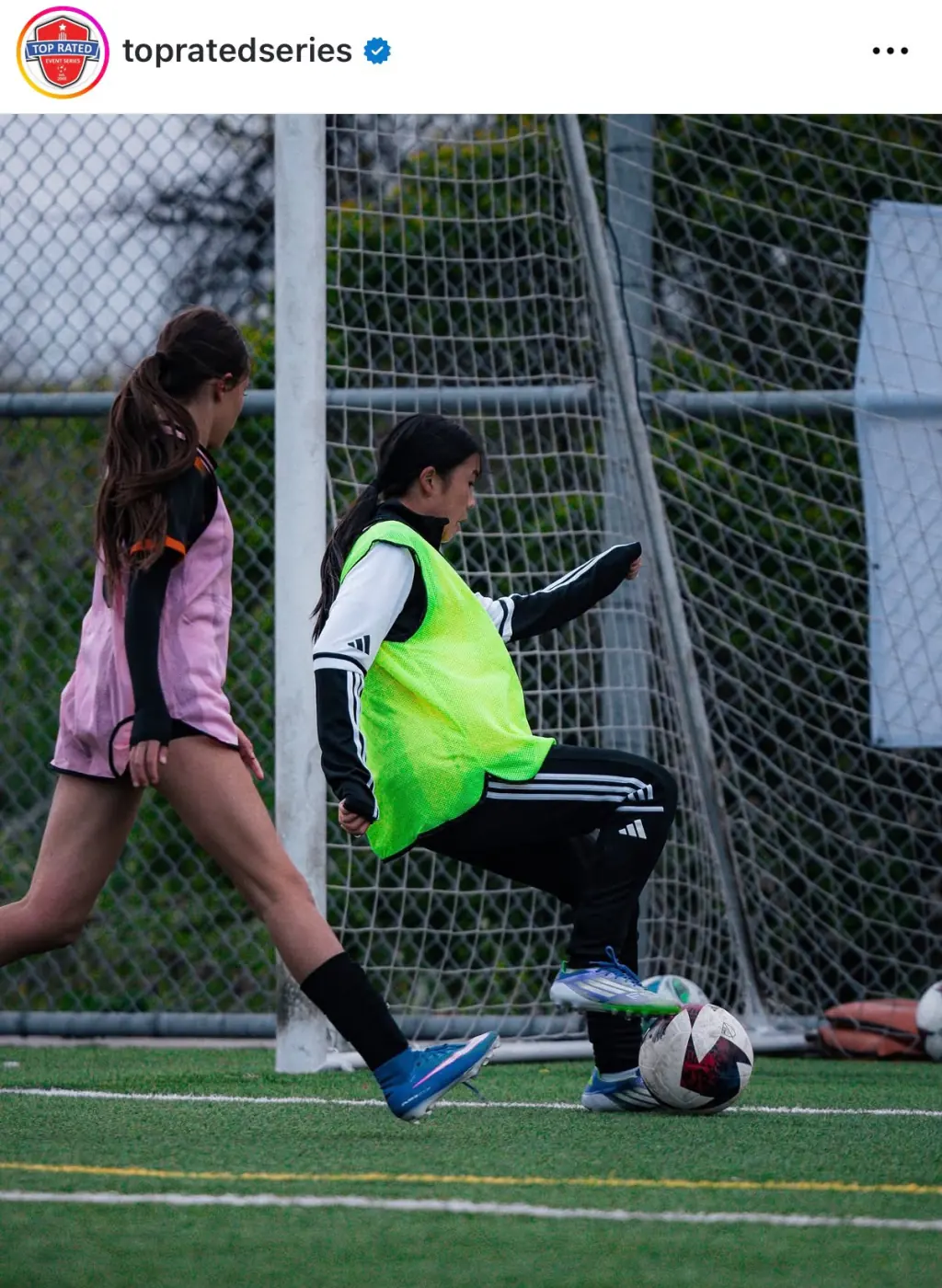
My U15 and U16 years were when I truly began going all in. During parts of the offseason, I trained with my club around five times a week. I also worked in my basement or backyard, practised shooting, completed strength and speed sessions, and trained privately.
I began paying attention to everything surrounding performance, including nutrition, stretching, foam rolling, recovery, game film, and preparing properly before practices and games. I also had to balance soccer with tutoring, strong grades, SAT preparation, and university recruitment.
The mental side became much harder too. After a bad game, I could become extremely upset with myself and replay every mistake. I often felt frustrated with coaches, playing-time decisions, or the pressure of constantly trying to earn their trust. This mental difficulty was something that I had not yet experienced. I found myself feeling disappointed even when I would score because I was hungry for more.
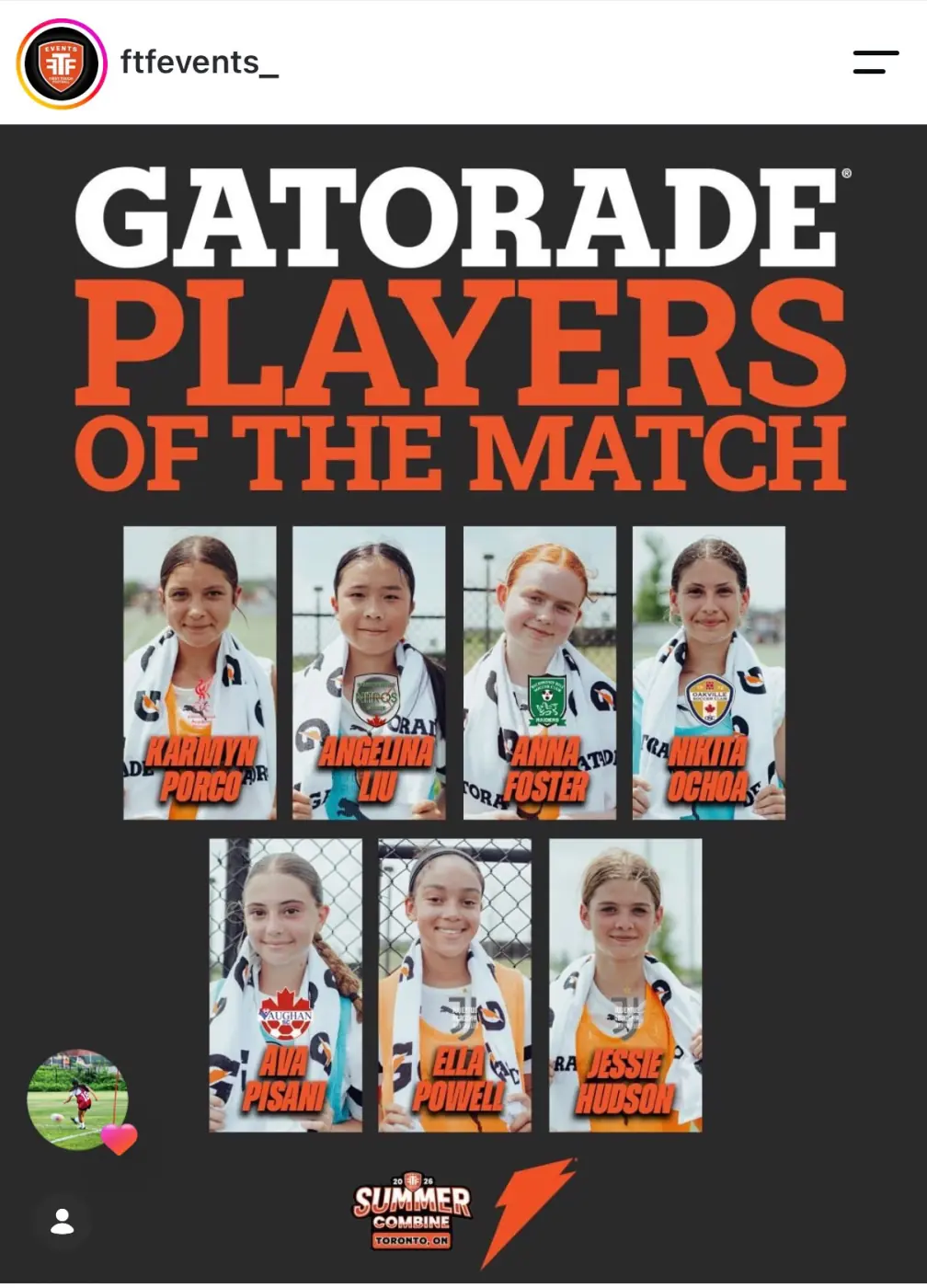
Recruitment created even more stress. As a Canadian player hoping to play in the United States, it can be difficult to get seen naturally. Travelling to camps, sending film, emailing coaches, and receiving little or no response can be discouraging. This stage taught me that high-performance soccer challenges your confidence and resilience just as much as your body.
05 / 05
Current stage
Still learning, still growing
At my current stage, I am trying to become a more complete and balanced student-athlete. I am managing soccer, school, recruitment, extracurricular activities, nonprofit work, this website, and having a life outside of my goals.
I have developed better habits, including stretching, foam rolling, eating properly, reviewing games, and creating weekly schedules. I still work hard, but I am learning that constantly doing more is not always better. Recovery and avoiding exhaustion are also part of improvement.
The mental challenges are still there. I still get upset after poor performances, frustrated with coaches, and discouraged by the recruiting process. As an international recruit, I often have to create my own exposure by contacting coaches, travelling to camps, sending videos, and following up.
I am learning not to judge my entire journey by whether I receive a certain offer. Progress can also mean improving a weakness, becoming a better communicator, earning a leadership role, maintaining strong grades, or responding more calmly after a difficult game. My journey is still happening, and I am continuing to learn as I go.
Lessons learned
Mistakes that changed my approach
- Not training my weak foot earlier and more consistently
- Relying too much on my strengths and not working on my weaknesses
- Not doing enough individual technical work
- Assuming a higher-level club would automatically make me better
- Letting past performances affect my confidence
- Not prioritising recovery
- Taking bad games too personally
- Underestimating how active recruitment requires you to be
The work continues
What I am working on now
- Making faster decisions
- Becoming more technically consistent
- Improving strength and explosiveness
- Enjoying the process
- Responding better after mistakes
- Building a good routine
- Balancing soccer with academics and extracurriculars