Age ranges are guides, not deadlines. Children develop at different rates, and a supportive environment should respond to the person in front of it. Use this page to start conversations with qualified coaches—not to label a player as ahead or behind.
Ages 4–7: Love the game
Main focus: fun, movement, confidence, dribbling, balance, and simple games.
At this age, the goal is not to chase an elite team. It is to help children enjoy the ball, explore movement, and build confidence without fear of mistakes.
Angelina reflection prompt: What made soccer feel fun when I was younger—and what helped me want to keep playing?
Ages 8–10: Build the foundation
Main focus: ball mastery, first touch, 1v1 confidence, both feet, trying different positions, and listening to coaches.
This is a strong time to build comfort with the ball through short, frequent practice. Variety still matters. Players can learn to solve problems rather than memorize one “correct” move.
Related reflection: What I wish I practised more when I was younger.
Ages 11–12: Prepare for competitive soccer
Main focus: technical habits, game understanding, commitment, emotional control, and choosing the right environment.
Parent note: The strongest team is not automatically the best environment. Look at coaching quality, confidence, playing time, safety, communication, and whether the player is actually developing.
Ages 13–14: Competitive development
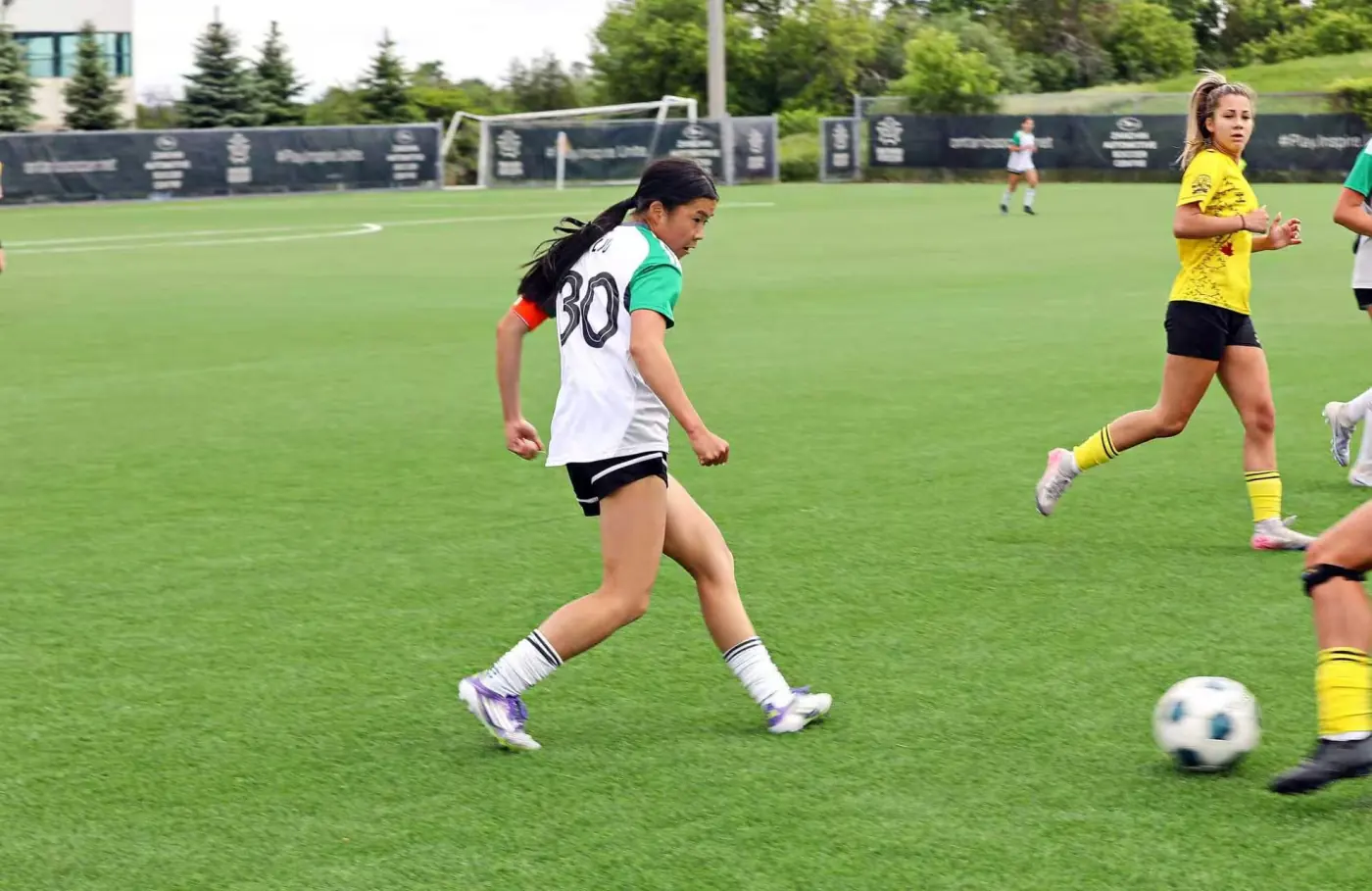
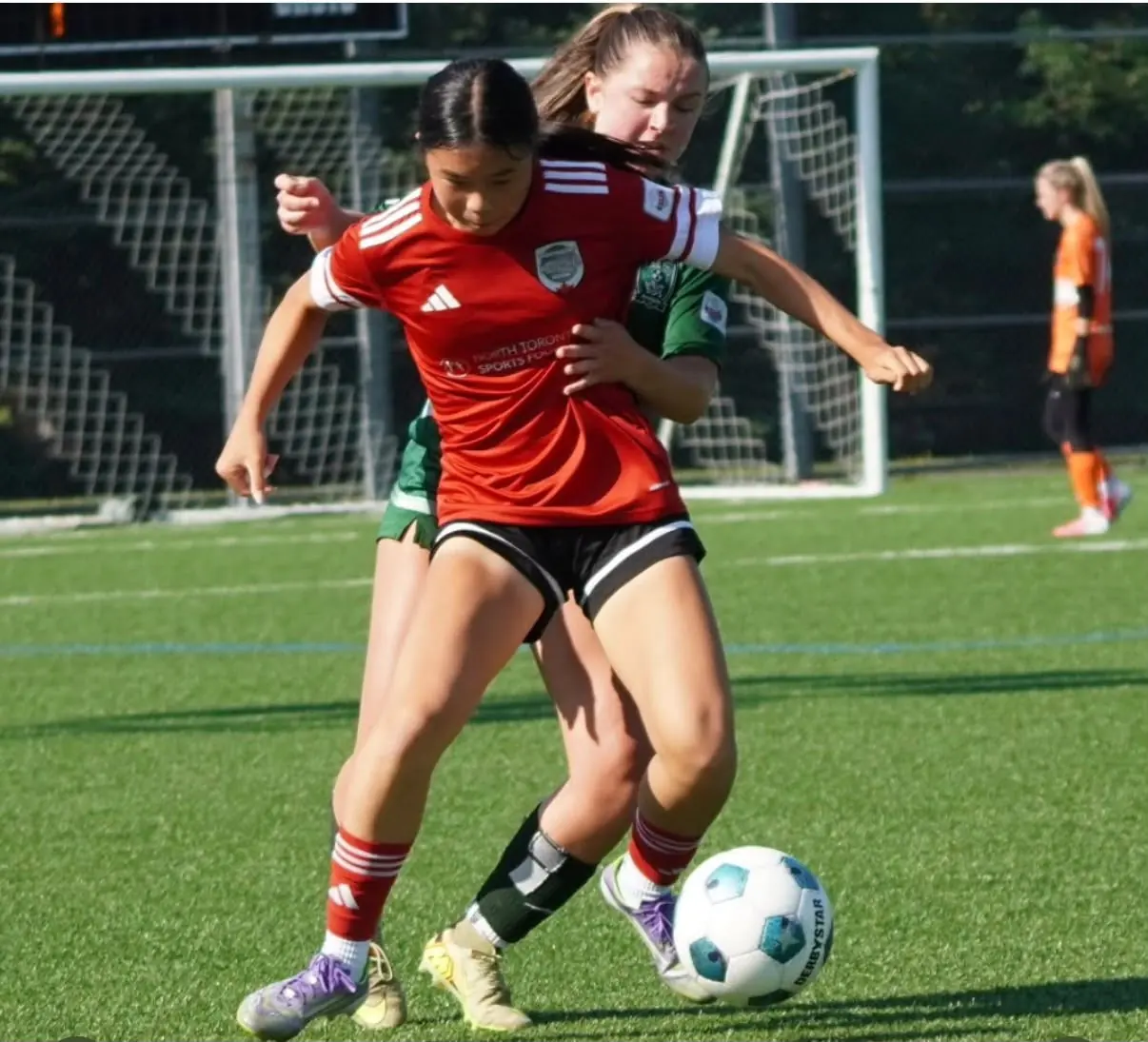
Main focus: technical consistency, tactical awareness, training habits, strength basics, time management, and coachability.
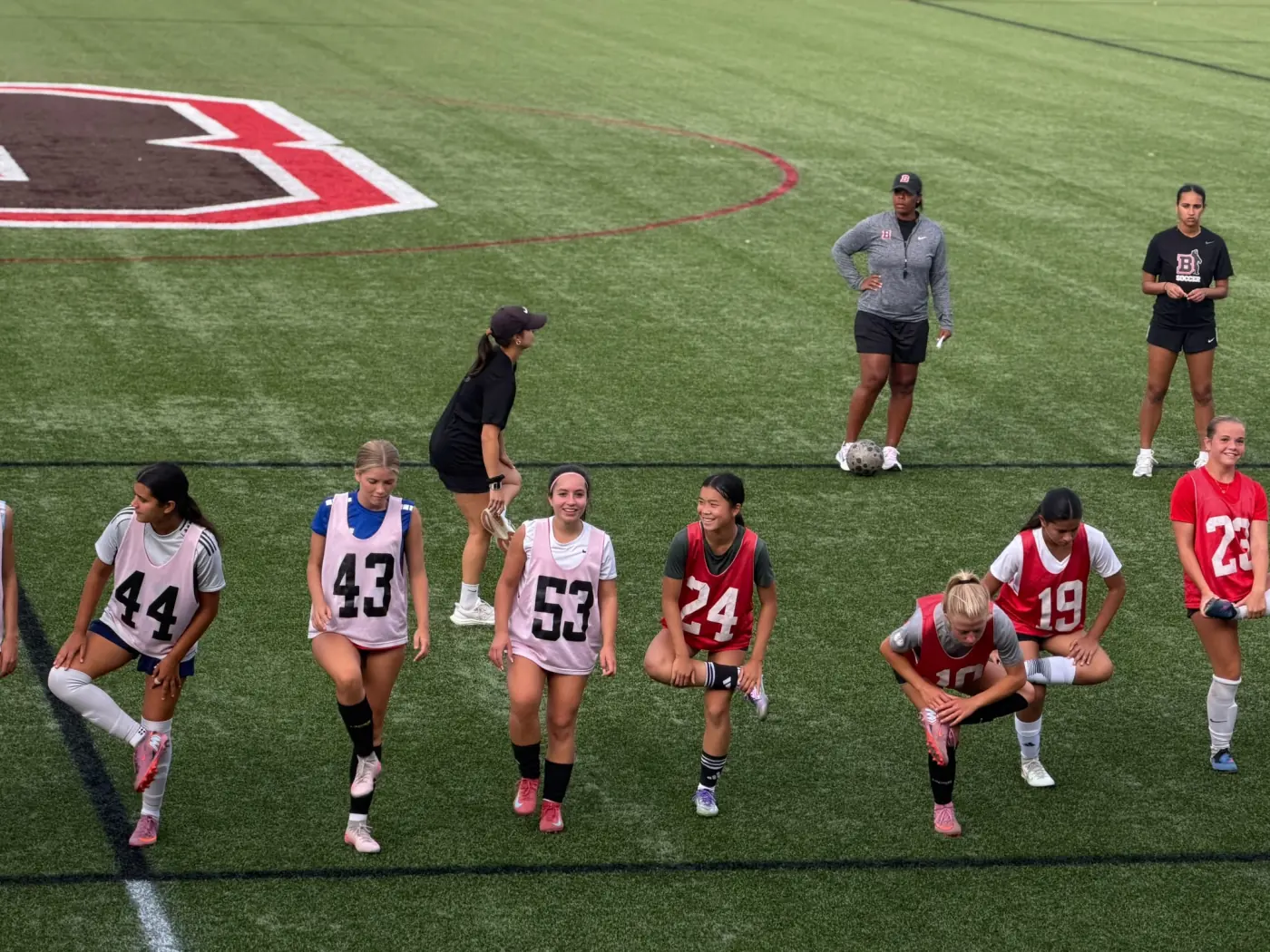
As training becomes more demanding, simple routines matter. Players benefit from arriving prepared, recovering well, asking useful questions, and learning how their role connects to the team.
Ages 15–16: High performance and exposure
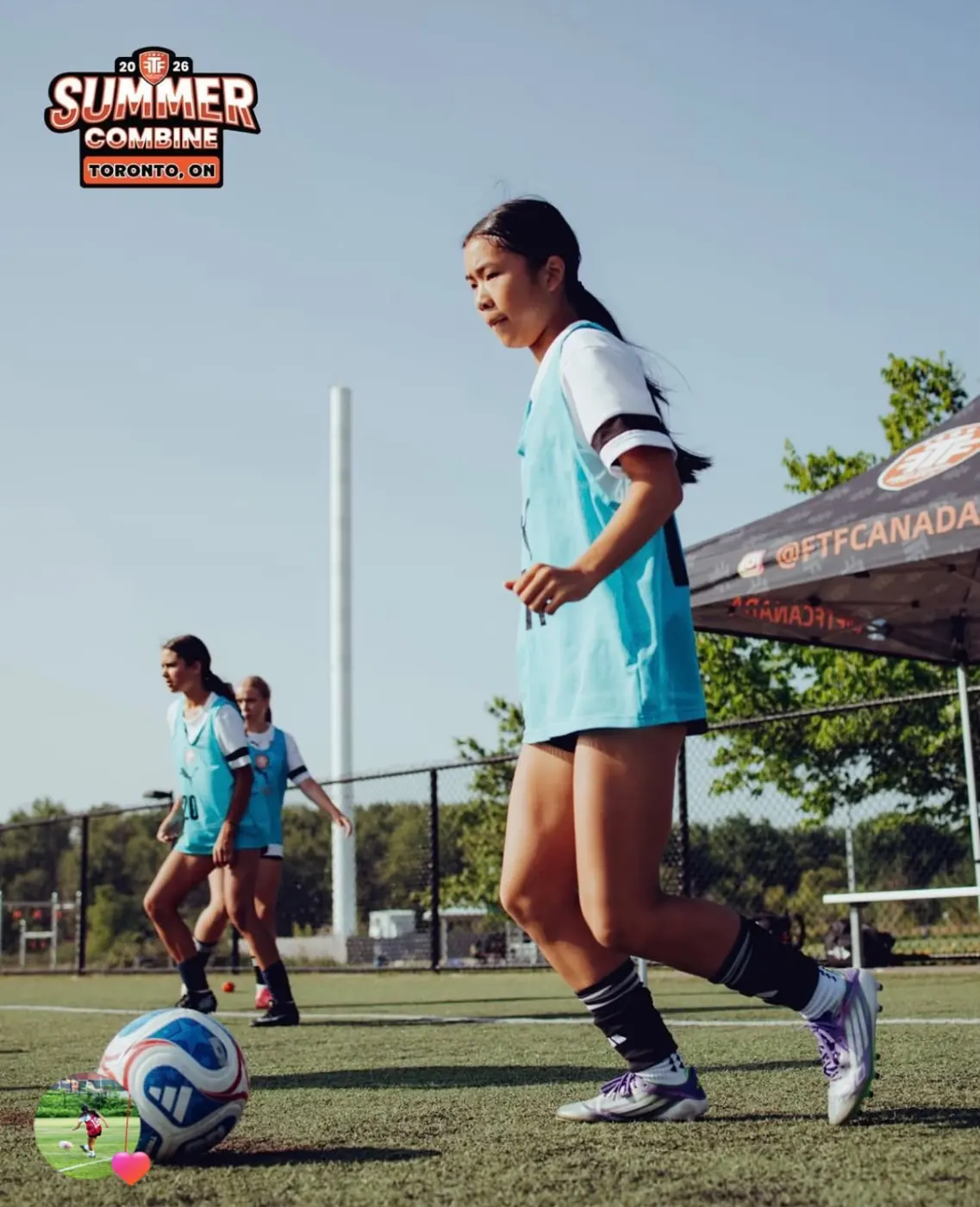
Main focus: strength and speed, showcases, highlight video, game film, academic planning, coach communication, and mental skills.
Families often begin learning more about ID camps and university exposure at this stage. Recruiting rules are timing-sensitive. As of August 2026, the NCAA Division I general rule allows many recruiting communications and telephone calls beginning June 15 at the conclusion of a student’s sophomore year, with sport-specific exceptions. Always verify the current rule with the NCAA, the school, and a qualified advisor before acting.
Ages 17–18: University preparation
Main focus: recruiting research, academic transcript, player profile, updated video, leadership, and mentoring younger players.
The best plan keeps multiple pathways open. Academic fit, program culture, cost, location, playing opportunity, and long-term goals all deserve careful attention.
Questions to ask at every age
- Is the player still enjoying the work?
- Is the environment safe, respectful, and development-focused?
- Does the schedule leave room for sleep, school, recovery, and family?
- Is feedback specific and age-appropriate?
- Are we choosing the next step for the player—or for the status attached to it?