Balance does not mean every day gets equal time. It means making deliberate choices so that soccer, school, health, and relationships can remain sustainable together.
Plan the week before it starts
Put fixed commitments in one calendar: classes, training, matches, travel, appointments, and family plans. Then add homework blocks, test preparation, meals, recovery, and a realistic sleep window. Keep one small buffer for the unexpected.
Training
Include travel, warm-up, cool-down, and equipment—not only field time.
Homework
Name the assignment and outcome for each block.
Sleep
Make sure to keep sleep consistent - at least 8 hours.
Recovery
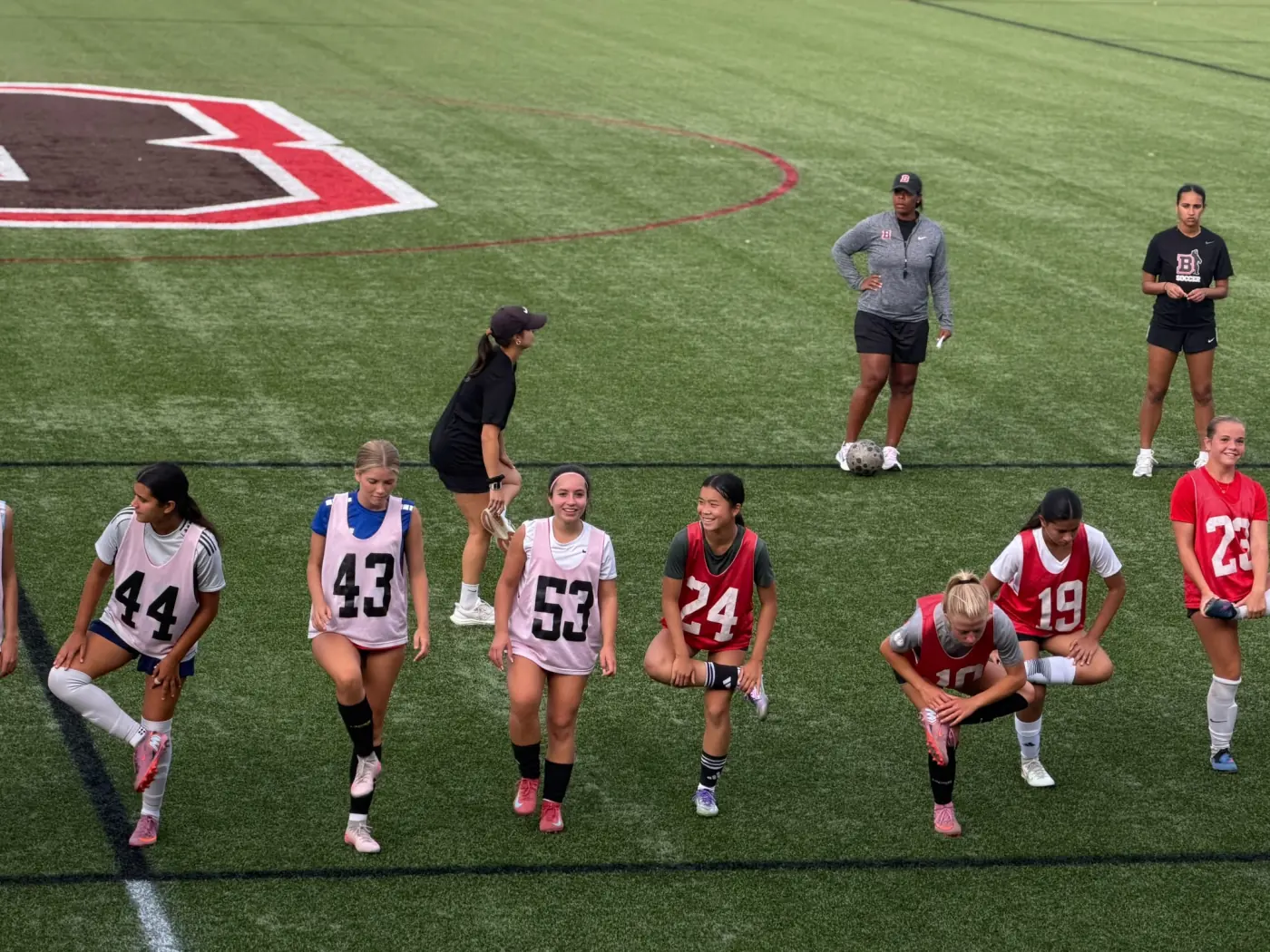
Prioritise recovery after sessions by foam rolling and stretching.
Meals
Keep a balanced diet and always stay hydrated.
Tests
Mark down when all tests/assignments are due and study in advance.
Tournament weeks
- Check school deadlines as soon as the schedule is available.
- Finish assignments early when possible.
- Email teachers politely and early if support is needed.
- Bring only the study materials that can realistically be used.
- Plan sleep, meals, recovery, and travel—not just match times.
- Avoid creating last-minute stress by assuming there will be “free time” at the hotel.
Course planning
Grade 11 and 12 choices can affect university options. Review prerequisites early, keep a clear record of program requirements, and ask a guidance counsellor for help. A demanding training year may require thoughtful sequencing of hard courses, but avoiding academic challenge entirely can close doors too.
Protect the GPA by asking for support before a small problem becomes a crisis. Teachers cannot always change deadlines, but early communication is more constructive than an explanation after the fact.
Burnout, pressure, and mental health
Rest days are part of development. Persistent exhaustion, loss of enjoyment, disrupted sleep, fear, pain, or a sudden change in mood deserves attention. Speak with a parent or guardian and an appropriate health professional. Coaches can support the plan, but they should not replace medical or mental-health care.
This site offers general educational information, not medical advice. For immediate danger or crisis support in Canada, call or text 9-8-8; for emergencies, call 9-1-1.